
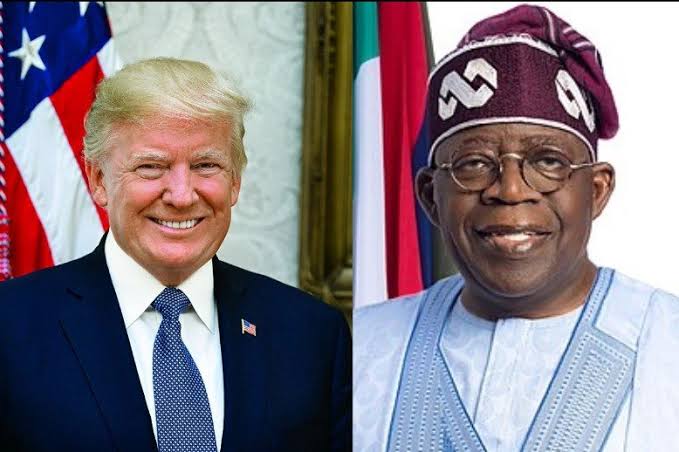
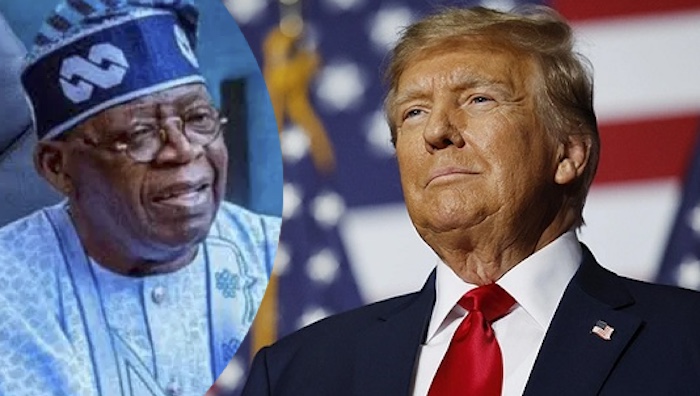
 The Federal Government has drawn an unshakable line in the diplomatic sand, refusing to bow to Washington’s pressure to accept deportees under former President Donald Trump’s controversial third-country relocation scheme. While smaller African nations like Rwanda and Eswatini have cautiously opened their borders to the arrangement—some lured by American funding for resettlement programs—Abuja remains unmoved, framing its resistance as both a security imperative and an assertion of sovereignty.
“Let others comply; Nigeria will not,” declared Foreign Affairs Ministry spokesperson Kimiebi Ebienfa in an interview with Saturday PUNCH, his tone leaving no room for ambiguity. The policy, resurrected after a June 2025 Supreme Court ruling, allows the US to redirect deportees to nations other than their home countries—a practice critics argue transforms developing nations into dumping grounds for America’s immigration challenges.
Foreign Minister Yusuf Tuggar minced no words when he revealed the Trump administration’s attempts to persuade African states to absorb Venezuelan nationals, including recently released prisoners. “Unacceptable,” he fired back in July, highlighting the irony of a wealthy superpower outsourcing its humanitarian responsibilities to countries wrestling with their own economic and security crises.
Retired diplomats have rallied behind the government’s stance, with former Ambassador Ogbole Amedu-Ode dismissing the US proposal as “devoid of merit,” while ex-envoy Rasheed Akinkuolie warned of the security risks posed by admitting individuals with murky backgrounds. The memory of past incidents—where deported foreigners committed crimes on Nigerian soil—looms large in these deliberations.
Though the US has threatened visa sanctions against uncooperative nations, Nigeria appears prepared to weather the fallout. With its gaze fixed on ambitious domestic projects—from the Nigeria-Morocco gas pipeline to rare earth mineral exploitation—Abuja’s message is clear: sovereignty isn’t negotiable, and America’s problems won’t become Nigeria’s burden.