

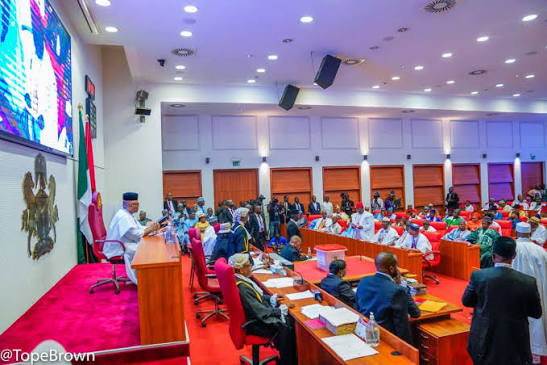
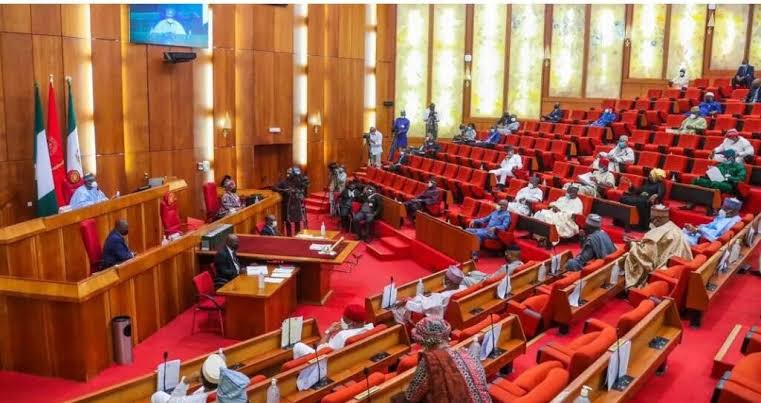
 Abuja, Nigeria – February 10, 2026 – The Nigerian Senate has been summoned for an unscheduled emergency plenary session by Senate President Godswill Akpabio, sparking intense speculation and public scrutiny just days after the upper chamber’s controversial rejection of a key electoral reform.
The session, called for Tuesday, February 10, 2026, at 12:00 pm, was announced via a terse statement from the Senate Clerk, Emmanuel Odo, which provided no reason for the sudden reconvening.
The timing of the emergency sitting is highly conspicuous, coming less than a week after the Senate, on February 4, voted down a proposed amendment to the Electoral Act. That amendment sought to mandate the real-time electronic transmission of election results, a measure widely advocated by pro-democracy groups as critical for enhancing transparency, curbing manipulation, and rebuilding public trust in Nigeria’s electoral process.
The Senate’s rejection of the measure has ignited a firestorm of criticism from across the political spectrum.
Mounting Pressure and Widespread Criticism
The decision to block the electronic transmission clause has been met with severe backlash. Prominent civil society organizations, activists, and political figures have condemned the move, framing it as a setback for Nigeria’s democratic integrity.
Former Minister of Education, Dr. Oby Ezekwesili, lambasted the Senate, stating the rejection “signals a reluctance to embrace full transparency” and could severely damage voter confidence. Similarly, the influential Yoruba socio-political group, Afenifere, issued a statement expressing “deep disappointment,” arguing that the action “undermines the gains of the 2023 electoral cycle and casts a shadow over preparations for 2027.”
Analysts suggest that the emergency session may be a direct response to this mounting pressure, potentially to reconsider the controversial vote or address other urgent legislative matters that have been accelerated due to the public outcry. The opaque nature of the summons, however, leaves the agenda open to intense speculation, with possibilities ranging from revisiting the Electoral Act to addressing pressing national security or economic issues.
A Test for Legislative Transparency
The emergency plenary represents a critical juncture for the 10th Senate and its leadership under Godswill Akpabio. Having swiftly adjourned after the contentious vote last week, the recall of lawmakers indicates that the political fallout from the electoral reform decision is far from over.
The session will be closely watched as a test of the Senate’s responsiveness to public demand for greater electoral accountability and its commitment to legislative transparency in the lead-up to the 2027 general elections.
All 109 Senators have been directed to be present at the National Assembly complex for the noon sitting. The outcome of this emergency deliberation will have significant implications for Nigeria’s democratic trajectory and the perceived credibility of its legislative institution.