
By Alfred Abiodun
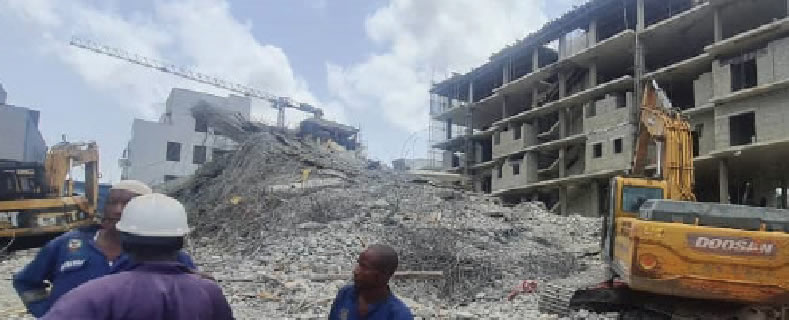
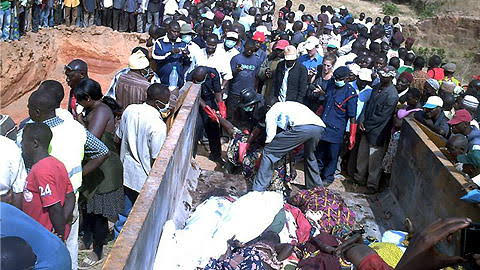
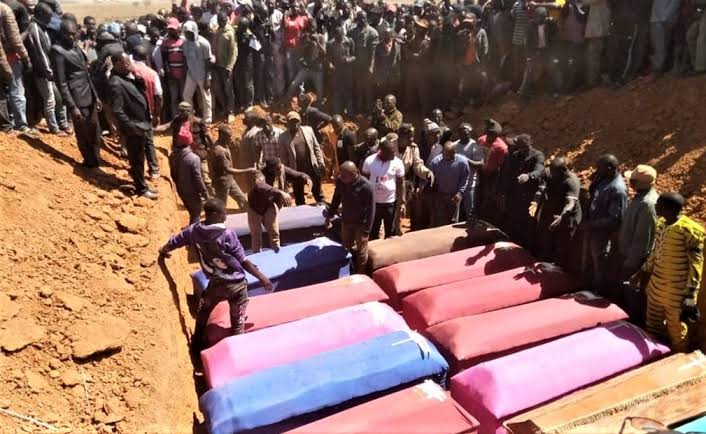
A year has passed since the deadly violence that struck the Nigerian city of Jos, leaving dozens dead and many others injured in what authorities are calling one of the most devastating outbreaks of communal violence in recent years. As families grieve, authorities work to rebuild trust, while experts highlight the deep-rooted tensions that have long plagued the region.
On January 2024, violent clashes between ethnic and religious groups resulted in the loss of at least 50 lives, and scores more were injured in the aftermath. Tensions in Jos, located in Nigeria’s volatile middle-belt region, have been escalating for years, fueled by competition over land, resources, and political influence. However, the outbreak of violence last January was particularly shocking in its scale and brutality.
The Triggers of Violence
The immediate triggers for the January 2024 violence were linked to ongoing disputes between the largely Christian indigenous ethnic groups and Muslim settlers in the region. Local reports indicated that a series of confrontations over land ownership and traditional leadership disputes sparked the violence. But many analysts argue that these issues are symptomatic of broader ethnic and religious tensions that have been festering in Plateau State for decades.
Dr. Adeola Owusu, a Nigerian political analyst, emphasized that “the violence in Jos is a reflection of deeper divisions that have been exacerbated by economic hardships, political marginalization, and the failure of successive governments to address the needs of both groups.”
Community and Government Response
In the wake of the violence, the Nigerian government and local authorities in Plateau State have taken several steps to restore peace and stability. Emergency curfews were imposed, and security forces were deployed to the region to quell further clashes. National and state leaders, including Governor Caleb Mutfwang, condemned the killings, calling for calm and encouraging dialogue between the conflicting communities.
However, human rights organizations have expressed concerns over the heavy-handed security response. Amnesty International and Human Rights Watch reported incidents of extrajudicial killings and violations of civilian rights by security personnel during the unrest. These organizations have urged the Nigerian government to ensure accountability for such actions and to prioritize peaceful resolution strategies.
The Human Toll
Beyond the immediate loss of life, the violence in Jos left communities shattered and displaced thousands. Local hospitals were overwhelmed with victims, while many residents fled their homes in fear of further violence. The displaced have struggled with limited access to food, water, and basic healthcare. Many humanitarian organizations have stepped in to provide assistance, but the long-term impact of the violence remains uncertain.
 One survivor, a mother of three, recounted her harrowing experience: “We lost everything in the attacks—our home, our belongings. We’ve been living in camps ever since, hoping for the day we can go back and rebuild.”
A Path Forward?
As the city rebuilds, questions remain about the long-term viability of peace in Jos. Scholars and peacebuilding experts assert that the root causes of violence must be addressed comprehensively. Ibrahim Musa, a conflict resolution expert based in Abuja, stated that “sustainable peace in Jos can only be achieved through meaningful dialogue, economic development, and the involvement of local leaders in the peace process.”
The Plateau State government has already initiated peace talks with community leaders, while religious and civil society groups have called for interfaith cooperation to heal the wounds of the past. However, for lasting peace to take hold, experts agree that both local and national governments must address systemic issues of governance, resource allocation, and social justice.
As Jos continues to recover from the trauma of January 2024, the scars of violence remain evident. The city’s residents are left to reconcile their differences while dealing with the trauma of their experiences. Whether the region can move past its history of violence and division will depend on the collective efforts of both the government and civil society, and the willingness to address the underlying issues that continue to fuel the conflict.
The story of Jos is one of both tragedy and hope, as its people continue to dream of peace in the midst of turmoil.