

 The Zamfara State Government has reaffirmed its commitment to strengthening healthcare delivery through a strategic partnership aimed at improving access to affordable and quality medicines across the state.
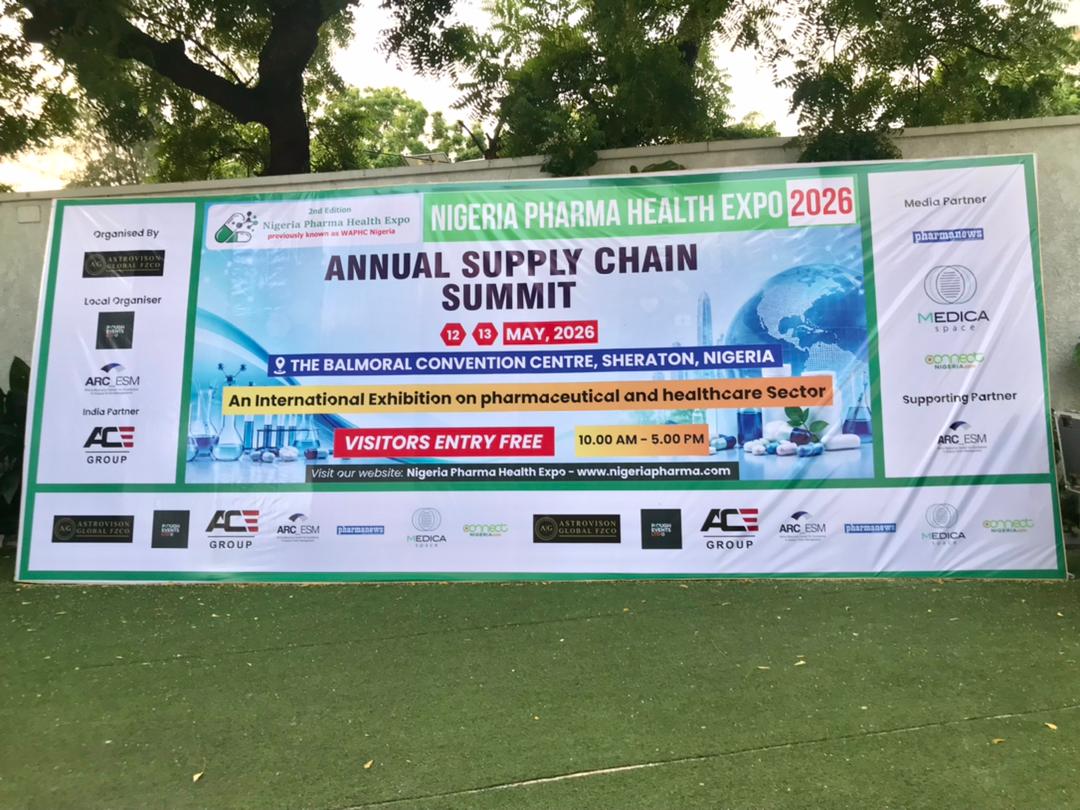
DASCENARIO reports that while addressing journalists at a pharmaceutical supply chain summit, precisely the 2nd Edition of Nigeria Pharma Health Expo 2026 which was previously known as WAPHC Nigeria at the Balmoral Convention Centre, Sherston Ikeja, Lagos, Nigeria, the Permanent Secretary of the Zamfara State Ministry of Health, Rilwanu Musa Zurmi, who represented the Commissioner for Health, Dr. Nafisa Mohammed Maradun, disclosed that the state has officially signed a Memorandum of Understanding (MOU) with a consortium of pharmaceutical manufacturers in Nigeria.
According to him, the agreement positions Zamfara State among 12 participating states collaborating on a group procurement and pharmaceutical supply chain initiative designed to ensure the steady availability of quality drugs in public health facilities.

Government Targets Medicine Availability Gap
Zurmi explained that the administration of Governor Dauda Lawal has made significant investments in healthcare infrastructure and human resources but identified medicine availability as a critical gap requiring urgent intervention.
“The governor boldly took the issue of health with a very serious commitment,” he stated.
“About 70 percent of our health facilities have been renovated, medical equipment has been supplied, and the facilities are now in good condition. In addition, a large number of healthcare personnel have been recruited.”
He noted, however, that the challenge of consistent access to medicines remained a major concern within the healthcare system.
“The only gap that exists now is the issue of medicines in our health facilities. That is why we signed this MOU with the consortium of pharmaceutical manufacturers so that we can access quality drugs at affordable prices for our people,” he added.
Counterfeit Drugs and Supply Chain Concerns
The Permanent Secretary also raised concerns over the increasing circulation of counterfeit medicines in Nigerian markets, stressing the importance of sourcing drugs directly from certified pharmaceutical manufacturers.
“Counterfeit products in terms of medicine are too much in our market,” he said.
“Once you do not know the source of what you are buying, then it means you have no guarantee of its quality and standard.”
According to him, the summit provided a critical platform for state governments to engage directly with pharmaceutical companies while gaining deeper understanding of supply chain management and logistics challenges affecting drug distribution nationwide.

Strengthening Healthcare Delivery Through Partnerships
Zurmi emphasized that the summit enabled Zamfara officials to identify operational gaps within the state’s medicine distribution framework and explore practical solutions for sustainable healthcare delivery.
He noted that discussions at the summit focused extensively on:
Pharmaceutical supply chain management
Drug distribution logistics
Access to affordable medicines
Quality assurance and counterfeit drug prevention
Strengthening state healthcare procurement systems
He expressed optimism that the insights gained from the engagement would support future policy improvements in Zamfara State’s healthcare sector.
“We were able to see our gaps, and hopefully when we return, we will sit down and develop proposals on how the Zamfara State Government will address these challenges,” he said.
Commitment to Healthcare Reform
Observers say the latest initiative reflects ongoing efforts by the Zamfara State Government to reposition the healthcare sector through infrastructure upgrades, workforce expansion, and strategic public-private collaborations.
Healthcare stakeholders have increasingly emphasized that medicine availability remains a key determinant of effective healthcare delivery, particularly in underserved communities where access to affordable treatment continues to pose challenges.
The pharmaceutical partnership is expected to improve procurement efficiency, reduce exposure to counterfeit medicines, and enhance public confidence in government-owned health facilities across the state.