
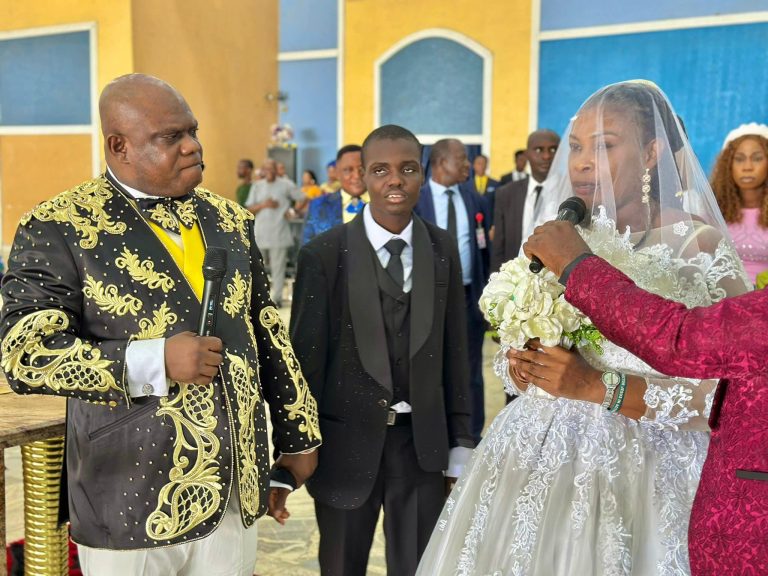
 A controversial marriage involving an autistic young man adopted by a prominent Nigerian cleric has ignited fierce public debate, drawing sharp criticism from disability advocates, legal experts, and social commentators who question the ethics and legality of the arrangement.
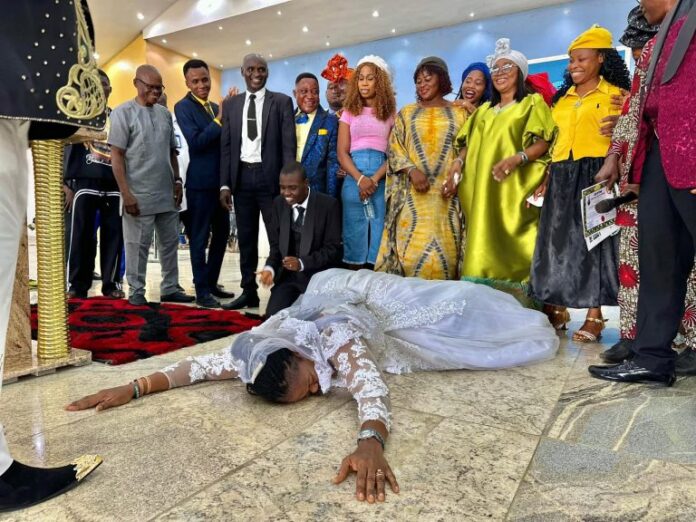
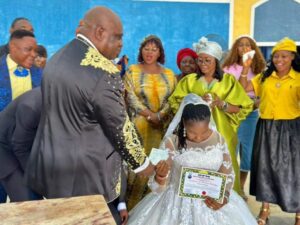
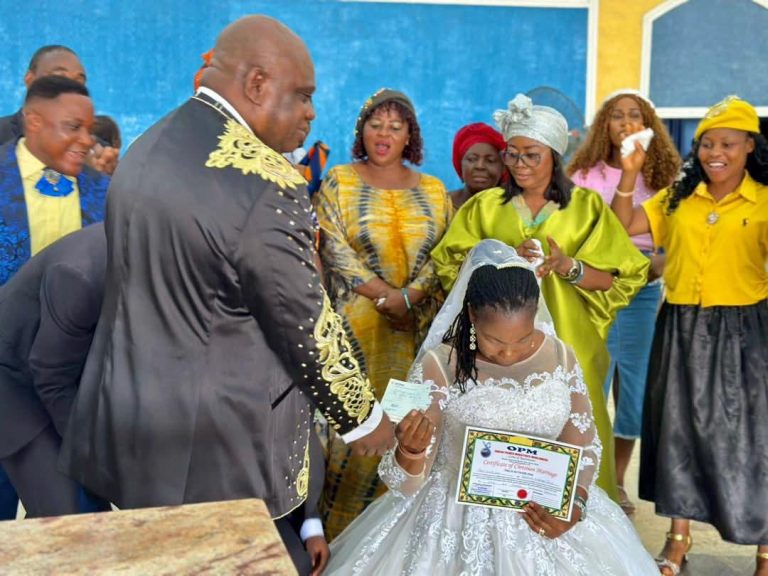
The union, which took place on March 29, 2026, saw Aboy—a young man on the autism spectrum adopted by Pastor Chibuzor Gift Chinyere of Omega Power Ministries (OPM)—married in a ceremony officiated by the cleric himself. The event, which the pastor announced via Facebook, has since become a flashpoint in ongoing conversations about the rights, dignity, and protection of persons with developmental conditions in Nigeria.
DASCENARIO reports that the circumstances surrounding the marriage have only deepened the controversy. Just days before the wedding, Pastor Chinyere had publicly disclosed that Aboy, while residing among other children in the ministry’s care facility, struggled to control his sexual urges. The pastor had indicated that his solution was to find a woman—preferably older—who would marry the young man, with financial incentives provided by the church as a means of managing the situation.
In his announcement confirming the marriage, the cleric revealed that the bride is a single woman and outlined a generous package of benefits: a ₦10 million wedding gift, a house, an overseas vacation, and a promise of ₦20 million after ten years of marriage. Additional donations from church members, he said, would also go to the couple.
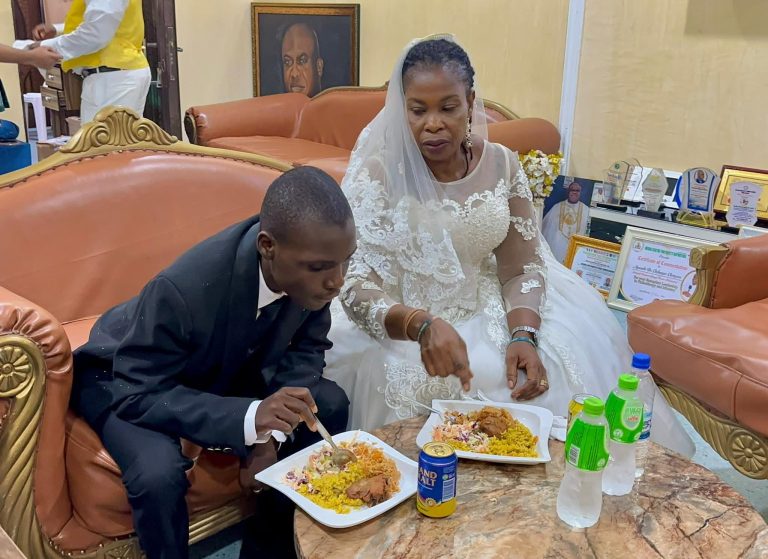
 Pastor Chinyere further claimed that Aboy had already begun showing signs of improvement since the arrangement, including feeding himself without assistance, and expressed confidence that the young man would fully recover and begin speaking within months.
But it is precisely these claims that have drawn the sharpest criticism from advocates and medical professionals, who warn that framing a marriage as a form of intervention for autism reflects a fundamental misunderstanding of neurodevelopmental disorders.
At the heart of the backlash are questions surrounding consent. Under Nigerian law, marriage requires the free and informed consent of both parties. Critics argue that individuals with autism spectrum disorder—depending on the severity of their condition—may lack the legal capacity to fully understand the nature and consequences of marriage. They contend that such arrangements risk exploiting vulnerable individuals under the guise of care.
“Managing behavioral or medical challenges through marriage is not only ethically indefensible but also raises serious human rights concerns,” said a disability rights advocate who spoke on condition of anonymity. “What we are seeing here is a conflation of care with control, and it sets a dangerous precedent for how society treats persons with developmental conditions.”
 Legal experts have also weighed in, noting that even with financial inducements and a ceremony officiated by a respected religious figure, a marriage entered into without genuine consent may be voidable or void under the Matrimonial Causes Act. The involvement of a guardian or adoptive parent in facilitating such a union, they say, adds another layer of legal complexity.
The controversy has also reignited broader conversations about the role of religious institutions in the lives of vulnerable wards. Pastor Chinyere, known for his extensive charitable work through OPM, has cultivated a public image as a protector of orphans and disadvantaged children. Yet critics argue that this latest action exposes a troubling approach to care—one that prioritizes institutional convenience over the autonomy and well-being of individuals.
Advocacy groups have called on the National Agency for the Prohibition of Trafficking in Persons (NAPTIP) and the National Commission for Persons with Disabilities to investigate the circumstances of the marriage. Some have also urged the Ministry of Women Affairs to assess whether the young man’s rights were violated under the Discrimination Against Persons with Disabilities (Prohibition) Act 2018, which guarantees protections for persons with disabilities.
As the backlash intensifies, the case has become a litmus test for how Nigeria balances religious freedom, parental or guardian authority, and the fundamental rights of persons with disabilities. For now, the marriage stands—but the ethical and legal questions surrounding it are far from settled.