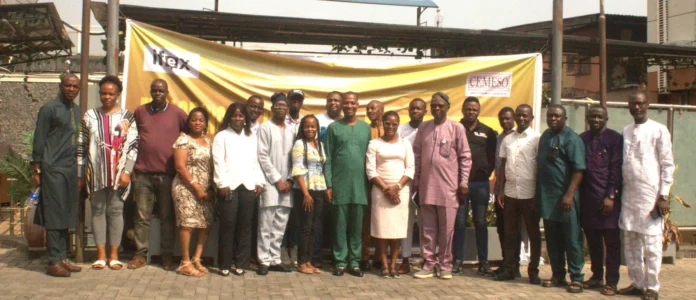
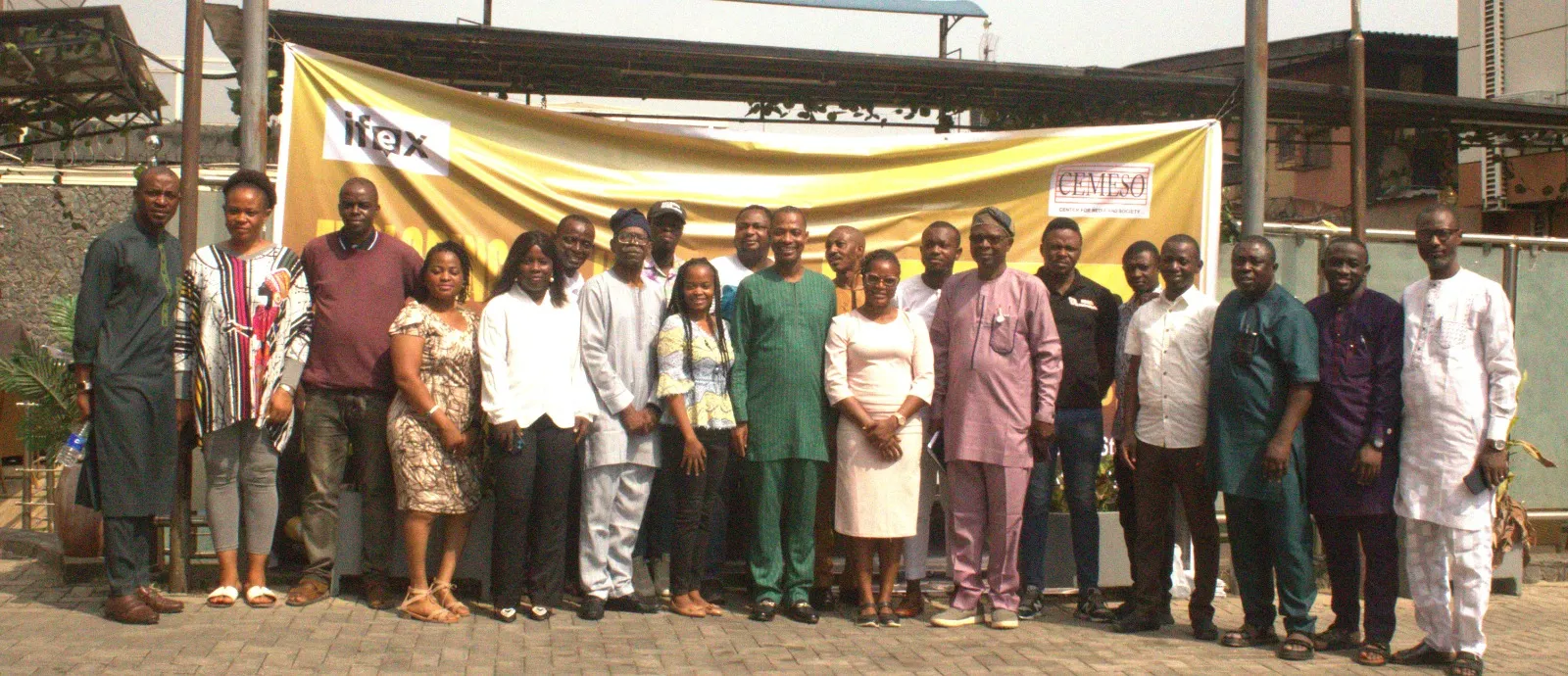
 The Center for Media and Society (CEMESO), in collaboration with IFEX, hosted a profound event on the implications of internet shutdowns on freedom of expression, access to information, and democracy. Held at R&A City Hotel, Ikeja, Lagos, the gathering featured a documentary screening, panel discussions, and expert insights on combating digital rights violations.
Delivering the keynote address, Dr. Akin Akingbulu, Executive Director of CEMESO, emphasized the event’s significance in addressing internet shutdowns’ impact on society.
“It is my profound privilege to welcome you all to this significant event where we delve into the far-reaching implications of internet shutdowns on freedom of expression, access to information, and the foundation of democratic processes,” Dr. Akingbulu began. He highlighted the critical need to ensure that technology serves as a tool for empowerment, not repression.
Supported by the IFEX Right to Information project, the event underscored the urgency of enhancing Nigeria’s readiness to protect the digital freedoms during crises.
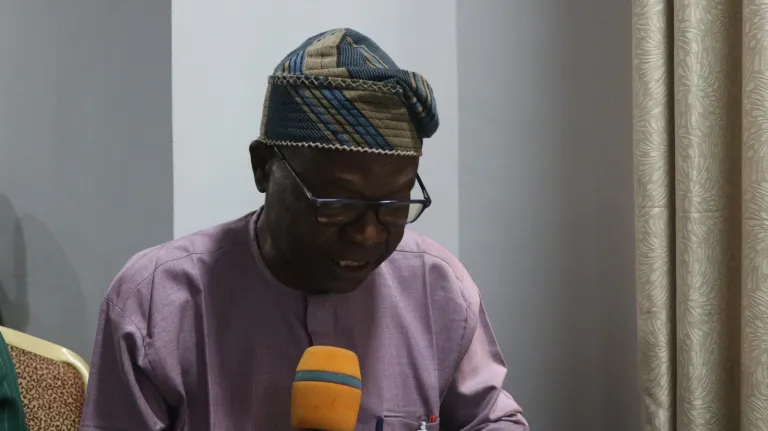 Dr. Akingbulu noted:
“We live in a world where the internet has become a lifeline, connecting families, driving businesses, and fueling the exchange of ideas. Yet this lifeline is increasingly under threat.”
A focal point of the event was the screening of “Shadows in the Night: The Toll of Internet Darkness”, a documentary that captured the human cost of internet shutdowns. The film showcased stories from Zimbabwe, Kaduna, and Abuja, demonstrating the personal and collective toll of restricted access.
Timothy Bamisele, CEMESO’s Program Manager, expressed gratitude to contributors, stating:
“Your voices are the heart of this documentary. Your stories bring life and authenticity to the narrative, allowing us to connect with the human impact of internet shutdowns, making this work both powerful and deeply meaningful.”
He also acknowledged the challenges of producing the documentary, including constraints in equipment access. Despite these limitations, the team delivered a compelling narrative structured to highlight key aspects of the issue.
The discussions following the screening featured prominent stakeholders who explored solutions to the challenges posed by internet shutdowns.
Mr. Tope Olatidoye, CEMESO’s Content and Evaluation Manager, contextualized the project by linking it to crises such as #EndSARS protests and COVID-19. He highlighted alarming trends during crises, such as government surveillance, disinformation, and digital gender-based violence.
Prof. Suraj Olunifesi of the University of Lagos emphasized the importance of accountability, stating:
“Let’s use our platforms to help the government become accountable in serving the people. Have constant engagement, and push information beyond boundaries.”
 Mr. Lekan, a freedom of speech advocate, stressed the need for technological advancement to establish alternative media channels during internet shutdowns.

Mr. Kehinde Adegboyega, Executive Director of the Human Rights Journalist Network, added:
“Alternative media are already in place, but we don’t have that technology here in Nigeria yet. We need to start upscaling ourselves to address the issue of digital rights violation or internet disruption.”
Dr. Akingbulu called for united efforts to safeguard digital rights:
“Together, let us advocate, innovate, and act to ensure that every Nigerian, and indeed every global citizen, has access to the open, unrestricted internet that is their right.”
The event concluded with a plenary session urging collaboration among civil society, journalists, and technology stakeholders to protect access to information and freedom of expression.
The discussions and insights from the event reaffirmed the necessity of preserving the internet space as a pillar of democracy and a driver of human dignity in Nigeria and beyond.