
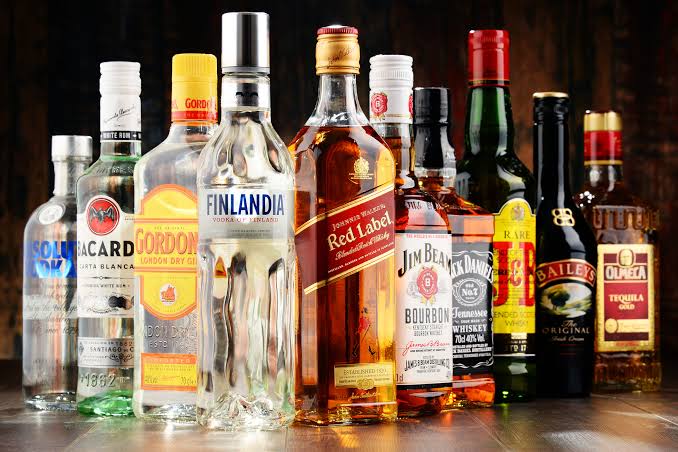
 In the quiet hours of reflection that often come with maturity, Kate Carbonari began to question a companion that had been with her since her teenage years: alcohol. From her first drink at fifteen through the various cycles of life in her early sixties, she found herself part of a growing societal murmur asking, “What are we doing with this alcohol here? This is so not good for us.”
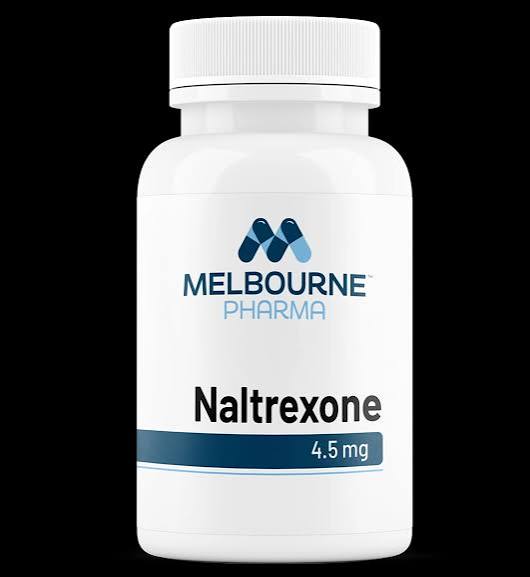
This personal questioning, echoed by a cultural shift, has led to the remarkable resurgence of a decades-old medication, naltrexone, now being hailed by some as a groundbreaking tool for a new generation seeking control. This is not merely a story of medical treatment for addiction; it is a narrative about redefining one’s relationship with alcohol in an age of increasing health consciousness and pharmaceutical empowerment.
Kate’s journey is emblematic of this modern shift. By using a tracking app, she confronted the stark reality of consuming about 28 drinks a week—a level her doctor confirmed significantly elevated her health risks.
The path forward emerged through an unexpected channel: the app’s company itself, which connected her with the possibility of trying naltrexone. With her doctor’s support, she began a regimen that transformed her habits. Today, Kate limits herself to a maximum of seven drinks per week, ensuring at least three full days of abstinence. Her success story underscores a critical evolution in treatment, where medication is leveraged not just for severe alcohol use disorder but for mindful reduction, a concept gaining significant traction.
The science behind naltrexone is as elegant as it is effective. It operates as a guardian within the brain’s reward circuitry. Alcohol typically triggers the release of the body’s natural opioids, creating that familiar pleasurable buzz. Naltrexone works by binding to and blocking these opioid receptors. As Dr. Sarah Wakeman explains, it acts “kind of like a security guard,” preventing alcohol from activating the system that delivers reward and reinforcement.
This blockade has a dual effect: it makes drinking less inherently fun and reduces the psychological cravings for alcohol. The result, as seen with Kate, is a natural slowing down—a reduced urge to continue drinking once started and a diminished drive to seek out the next drink.
Despite its efficacy, naltrexone has long languished in the shadows of underuse within the United States, prescribed to only a single-digit percentage of those who might benefit. This gap between proven treatment and common practice has created a vacuum now being filled by direct-to-consumer health companies and a powerful cultural analogy. Platforms like Sunnyside offer naltrexone alongside behavioral coaching, directly reaching individuals who may never discuss their drinking habits in a doctor’s office.
Furthermore, the medication is experiencing a reputational renaissance, often dubbed “the Ozempic for alcohol.” This comparison, as noted by Professor Glenn-Milo Santos, provides an instantly relatable framework for the public, framing naltrexone as an “appetite suppressant for alcohol.” This new familiarity, coupled with a broader comfort with using prescription medications for lifestyle management, is driving unprecedented interest among a vast population: those who regularly exceed recommended drinking limits but do not meet the traditional criteria for a severe disorder.
The growing embrace of naltrexone signals a profound shift in our collective approach to alcohol. It moves the conversation beyond the binary of alcoholism versus normal drinking, introducing a spectrum where mindful reduction is a valid and supported goal. It represents a fusion of increased health awareness, technological accessibility, and pharmacological innovation, empowering individuals like Kate Carbonari to rewrite their long-term habits.
As society continues to scrutinize the role of alcohol, this old pill is finding a new purpose, not as a last resort for crisis, but as a first tool for conscious change, offering a path where control is reclaimed one guarded receptor at a time.