


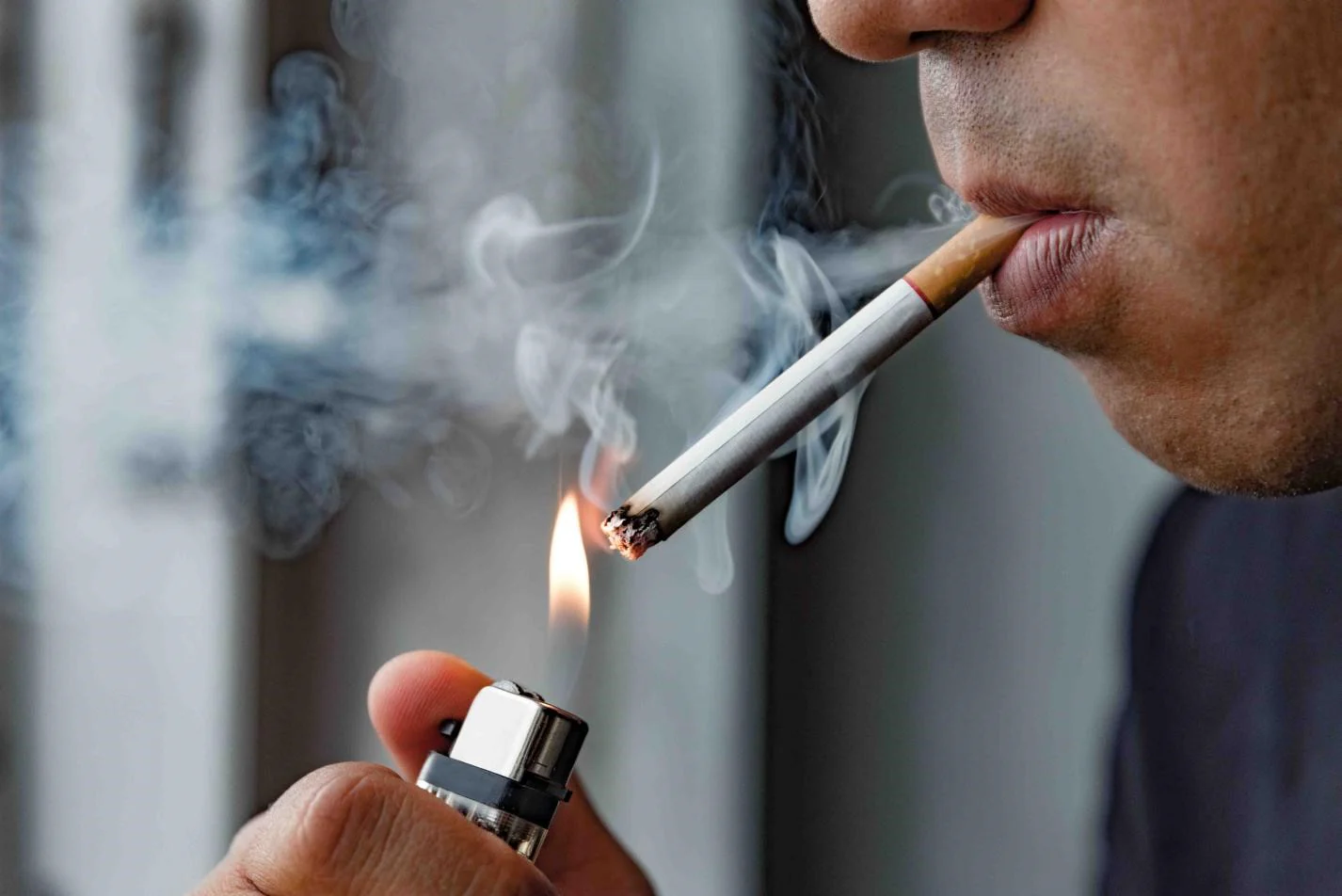
 Geneva, June 24, 2025 – A new report from the World Health Organization (WHO) reveals that exposure to secondhand tobacco smoke leads to approximately 1.3 million preventable deaths worldwide each year. The findings highlight the ongoing public health crisis posed by passive smoking, despite decades of tobacco control efforts.
The data shows these deaths primarily result from cardiovascular diseases, respiratory infections, lung cancer, and other smoke-related conditions affecting non-smokers regularly exposed to others’ tobacco use. Children are particularly vulnerable, accounting for nearly 65,000 of the annual fatalities through worsened asthma and respiratory infections.
WHO Director-General Dr. Tedros Adhanom Ghebreyesus emphasized that “no level of tobacco smoke exposure is safe,” urging governments to strengthen smoke-free policies in public spaces, workplaces, and multi-unit housing. The report notes that while 65 countries have comprehensive smoke-free laws, over 100 nations still lack adequate protections against secondhand smoke.
The analysis also found:
-
Low- and middle-income countries bear 84% of passive smoking deaths
-
The Western Pacific region has the highest mortality rate
-
15% of global cardiovascular deaths relate to secondhand smoke exposure
Public health experts warn these figures likely underestimate the true toll, as they exclude impacts from newer nicotine products like e-cigarettes. The WHO calls for accelerated implementation of MPOWER tobacco control measures and public education about thirdhand smoke residue dangers in homes and vehicles.
Source: World Health Organization Global Tobacco Trends 2025 Report