



The Borno State Government has reaffirmed its commitment to achieving universal healthcare coverage through improved pharmaceutical supply chains, affordable medicine access, and strengthened healthcare logistics systems.
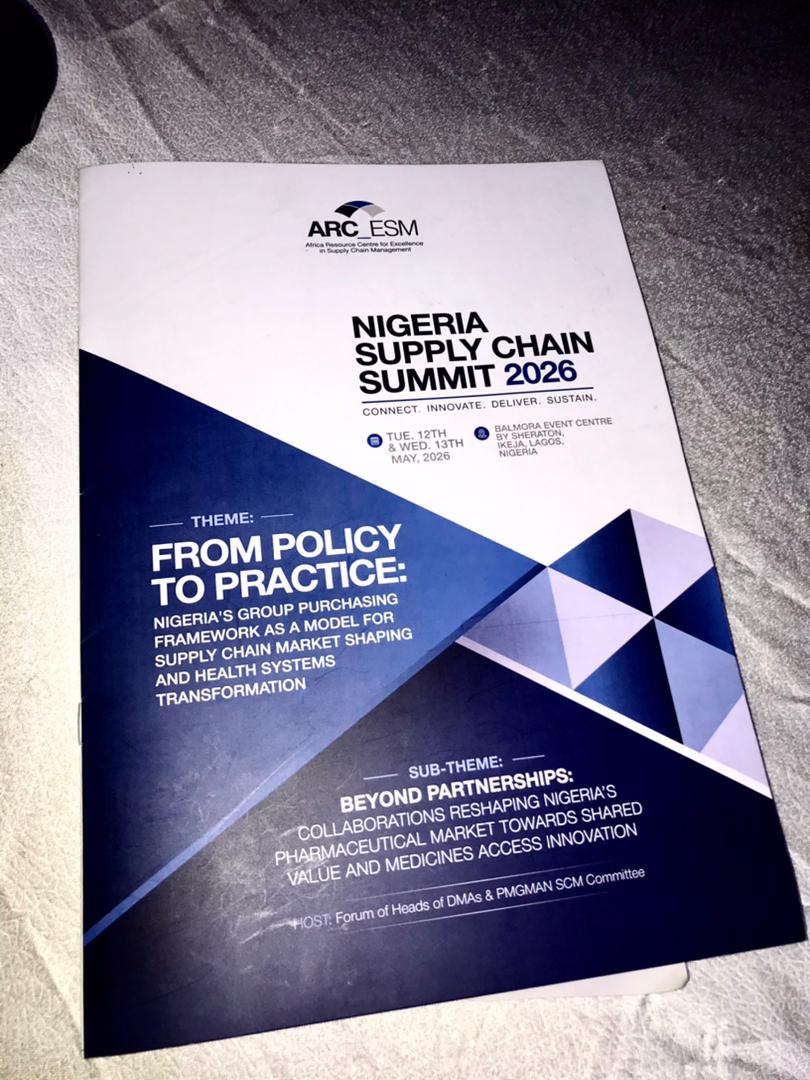
Speaking at a national healthcare and pharmaceutical summit in Lagos, Pharmacist Usman M. Salihu, representing Pharm. Umar Abdulkarim, the Executive Secretary of the Borno State Drugs and Medical Consumables Management Agency, emphasized the importance of collaborative procurement and supply chain partnerships in delivering quality healthcare services to citizens.
According to him, the summit provided a strategic platform for state governments, pharmaceutical manufacturers, healthcare logistics experts, and supply chain stakeholders to work collectively toward ensuring accessible and affordable healthcare for Nigerians.
Universal Healthcare Remains a Fundamental Right
Salihu noted that access to affordable and quality healthcare services remains a constitutional and social responsibility of government, stressing that every Nigerian deserves equal access to essential medicines regardless of geographical location.
“Coming together to put resources together for a common goal in achieving universal healthcare coverage is the responsibility of government,” he stated.
“It is the statutory right of every Nigerian to access healthcare delivery systems in the best affordable way.”
He explained that most pharmaceutical manufacturers and importers are concentrated in Lagos, making collaborative procurement initiatives necessary to guarantee that residents of states like Borno can access medicines at competitive prices similar to those obtainable in major commercial centers.
Focus on Affordable Medicines and Cold Chain Logistics
DASCENARIO reports that the Borno State representative highlighted logistics management as one of the most critical components of healthcare delivery, especially for temperature-sensitive medical commodities.
According to him, maintaining efficient cold chain systems is essential to preserving the quality and effectiveness of drugs and vaccines during transportation and storage.
“We are here to get both the prices, the quality, and the logistics together for the benefit of universal healthcare coverage,” he said.
He warned against poor transportation practices that compromise pharmaceutical products, noting that disruptions in cold chain systems could result in reduced effectiveness of medical commodities and failures within healthcare systems.
Maternal and Child Healthcare Prioritized
Salihu further stressed the urgent need to strengthen access to maternal and child healthcare commodities across underserved communities, particularly in reducing maternal and under-five mortality rates.
He noted that emergency medical supply systems remain crucial in addressing childbirth complications and saving lives in remote or security-challenged areas.
“Under-five children should get available commodities while reducing maternal and child mortality to the best possible realistic point acceptable by all,” he stated.
He also commended logistics innovation providers participating in the summit, particularly organizations deploying rapid delivery systems for hard-to-reach communities.
According to him, emergency healthcare delivery technologies now have the capacity to transport life-saving medical products to remote, riverine, rocky, and security-compromised locations within 60 minutes.

Stakeholders Urged to Join Collaborative Framework
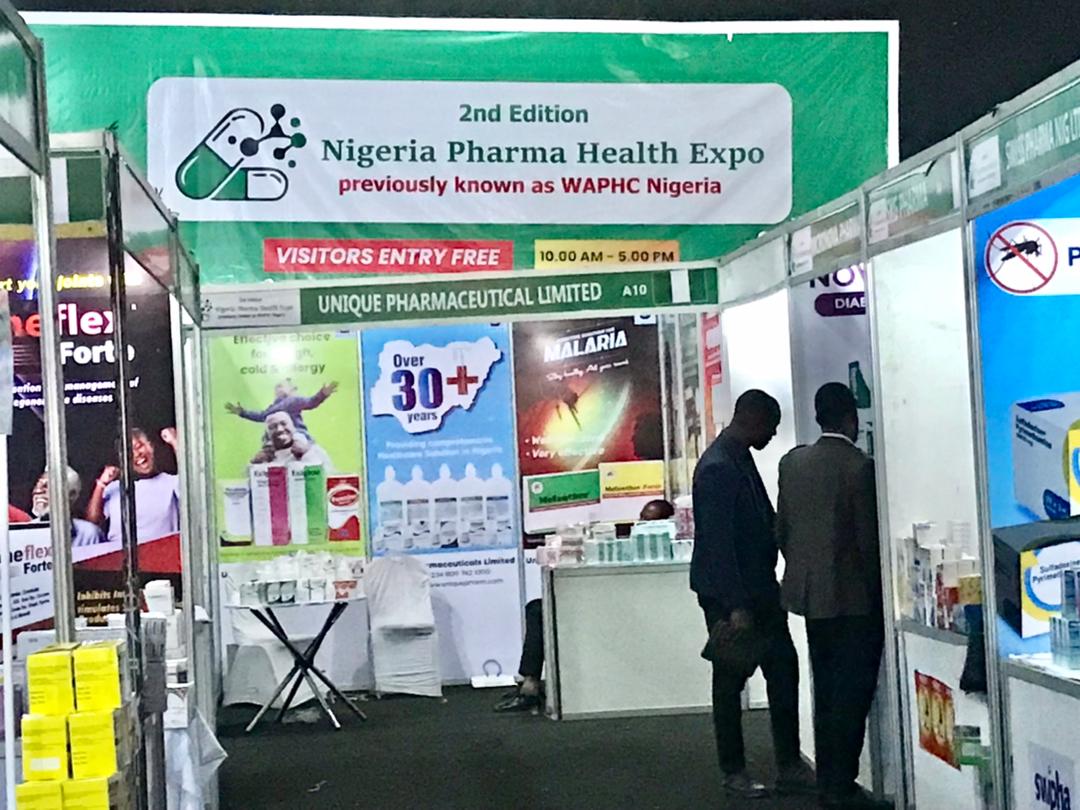
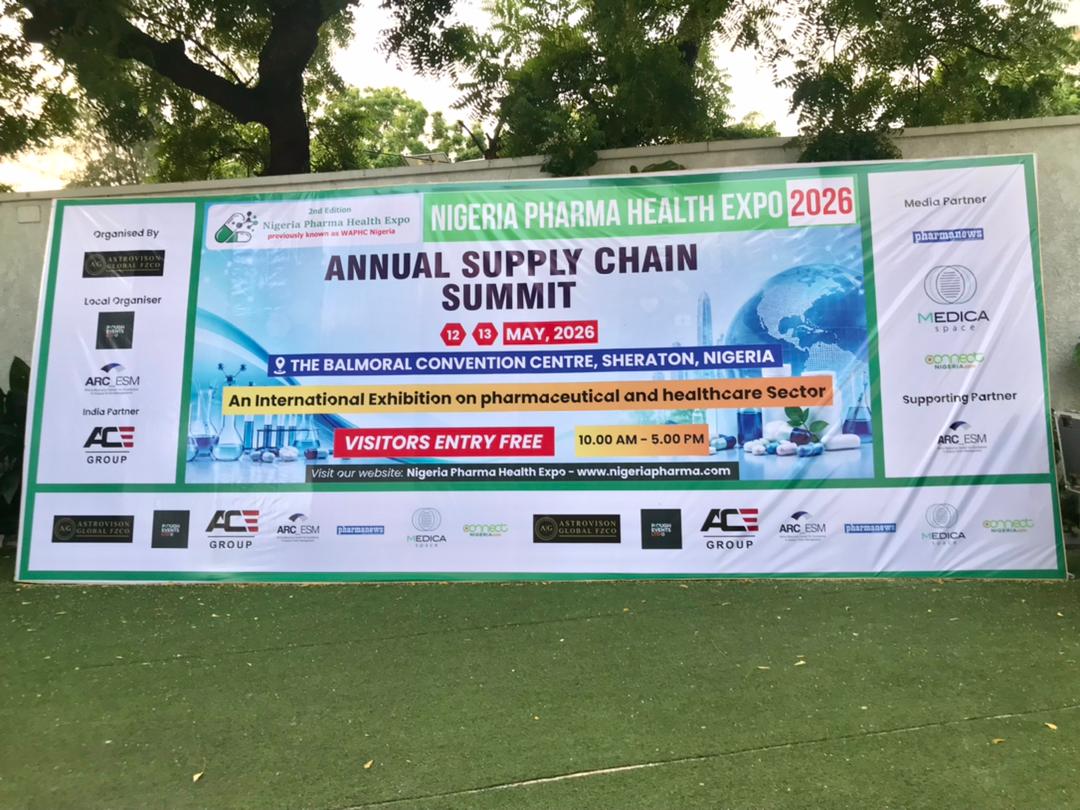
The summit brought together pharmaceutical manufacturers, healthcare policymakers, supply chain professionals, and development partners focused on improving medicine distribution systems nationwide.
Salihu described the event as “a complete package,” emphasizing that virtually all major actors within Nigeria’s healthcare supply chain ecosystem were represented.
He urged additional pharmaceutical companies and logistics providers yet to participate in the initiative to join forces with the Forum of Executive Secretaries and the Africa Resource Centre for Excellence in Supply Chain Management to strengthen nationwide healthcare coverage.
“We are urging other pharmaceutical companies and healthcare logistics supply chain actors to come on board and put hands together so that it can serve the entire healthcare coverage nationwide,” he said.

Strengthening Nigeria’s Healthcare Delivery System
Healthcare stakeholders say collaborative procurement systems and integrated logistics frameworks are increasingly becoming essential in addressing medicine shortages, reducing costs, and improving access to healthcare in underserved regions.
 Analysts also note that investments in pharmaceutical supply chains, emergency logistics, and cold chain infrastructure will play a critical role in Nigeria’s broader efforts toward achieving sustainable universal healthcare coverage.
The summit is expected to generate new policy directions and partnerships capable of improving healthcare access, medicine quality assurance, and emergency response capacity across participating states.