
 Nigerian lawyer Rasheed Aro has reportedly secured the restoration of five Instagram accounts after challenging Meta over their permanent suspension, raising fresh questions about the social media giant’s accountability to Nigerian users.
…Nigerian Social Media Users Seek Fair Treatment from Global Platforms
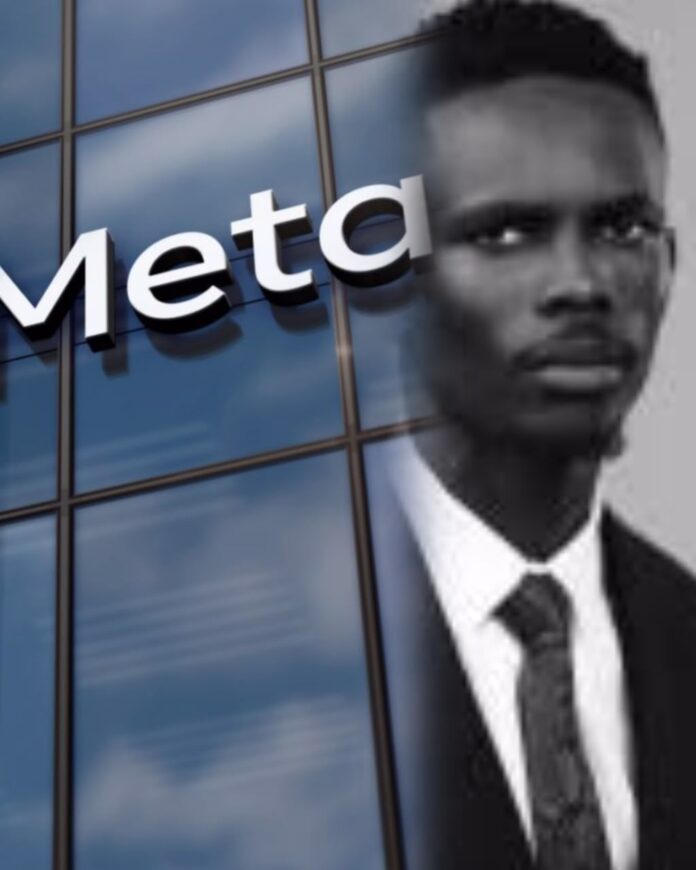
Nigerian lawyer Rasheed Aro has reportedly helped a client recover five Instagram accounts after challenging Meta Platforms over their permanent suspension, in a case highlighting concerns about account deactivation, platform accountability and users’ access to digital services.
According to the account of the dispute, the five Instagram accounts had been disabled since February 1, 2026, leaving their owner unable to access them.
On September 23, 2026, Aro reportedly sent Meta a six-page legal letter demanding an explanation for the suspensions and the restoration of the affected accounts.
The intervention was followed by a reported breakthrough in October, when the lawyer announced that all five accounts had been restored.
A message attributed to Instagram reportedly acknowledged that the company had made a mistake and apologised.
The development represents a significant outcome for the affected user and underscore the importance of accessible review and appeal mechanisms when social media accounts are suspended.
Legal Letter Raises Questions About Platform Accountability
The reported restoration has drawn attention to the power that large technology companies exercise over users who depend on social media for communication, business promotion and access to audiences.
A report published by NBG Africa on October 12 identified the client as Munachi Enuka Winifred and said Aro, founding partner of BlackMond LP, sought manual reviews and full restoration of the accounts. The report also said the petition requested written explanations for the suspensions and information about the handling of the client’s data.
The case also raises a broader question: what meaningful remedies are available when an account is disabled and the user believes the decision is mistaken?
Social media companies have legitimate reasons to enforce rules against fraud, impersonation, spam and other forms of abuse. But when enforcement decisions are disputed, transparent explanations and effective appeal processes can help users understand the decision and seek correction.
For Nigerian users who rely on Instagram to reach customers, promote creative work or maintain professional networks, losing access to an account can have consequences beyond the platform itself.
A Call for Meta to Be Held Accountable in Nigeria
Aro is reportedly urging greater accountability from Meta over its treatment of Nigerian users. The restoration of the five accounts provides a specific example of a disputed suspension being reversed after legal intervention, although it does not, by itself, establish that Meta routinely treats Nigerian users unfairly.
The case also comes amid wider legal scrutiny of Meta’s operations in Nigeria. In a separate matter, the High Court of Lagos State ruled in September 2026 that Meta had violated the privacy rights of applicants through aspects of its personal-data processing for behavioural advertising. Meta appealed that ruling, according to reports by BusinessDay and TheNigeriaLawyer. That case concerns data privacy, not the Instagram account suspensions, and the two disputes should not be conflated.
For now, the reported restoration offers a positive outcome for the client. It also reinforces the importance of accessible complaint channels, clear explanations for account restrictions and a fair process for correcting enforcement mistakes.
The central issue is not whether social media companies should enforce their rules, but whether users have a practical way to challenge decisions when those rules may have been applied incorrectly.
For more Nigerian technology and accountability coverage, visit DASCENARIO.