
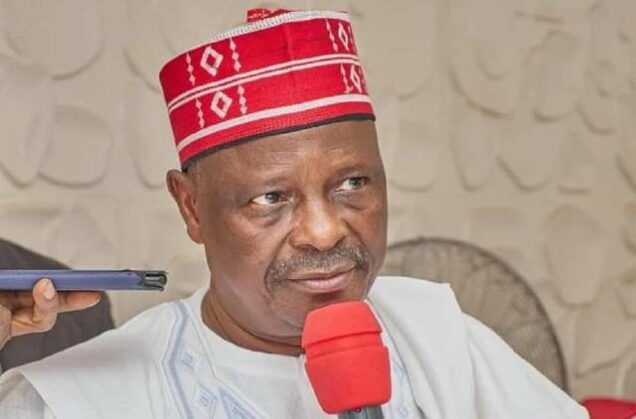
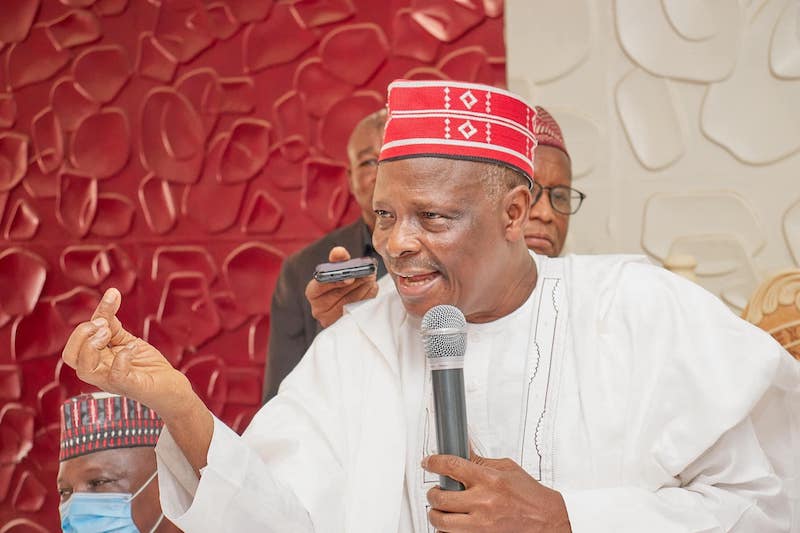
 Rabiu Musa Kwankwaso, former governor of Kano State and leader of the New Nigeria Peoples Party (NNPP), has categorically denied claims of a power-sharing arrangement with Atiku Abubakar, presidential candidate of the Peoples Democratic Party (PDP), and Peter Obi, flagbearer of the Labour Party (LP).
Speaking in a recent interview with the BBC, Kwankwaso dismissed reports alleging an agreement where Atiku would serve as president for four years, followed by Kwankwaso for another four, and Peter Obi for eight years. “This is completely false; such an agreement never existed,” Kwankwaso declared.
The alleged pact has sparked significant public and political debate, with reports suggesting that consultations and meetings were held by Atiku’s allies with regional leaders and clerics to push the narrative. Kwankwaso expressed strong displeasure at what he called deceptive tactics and manipulation.
“I was informed that about 45 clerics were gathered and fed these lies and fabricated stories. I did not appreciate this at all,” he said.
Kwankwaso also took the opportunity to reflect on his reasons for leaving the PDP, citing what he described as “deceit and humiliation” within the party. “This is precisely why we left. Myself, Peter Obi, Wike, and others—now they want us to help those who humiliated us achieve their goals,” he said.
He emphasized that his move to the NNPP has allowed him to escape the toxic political atmosphere he associated with his former party, adding that his decision brought him peace and a sense of independence.
Kwankwaso’s remarks have added a new dimension to the evolving political dynamics as Nigeria approaches another election cycle. Political observers view the alleged power-sharing story as an attempt to realign allegiances and influence public perception.
The denial from Kwankwaso underscores a growing rift among key political players, raising questions about the possibility of future alliances between Atiku, Obi, and Kwankwaso.
As the race for Nigeria’s leadership intensifies, the unraveling of these narratives will likely play a significant role in shaping voter sentiment and the strategies of the country’s major political stakeholders.