
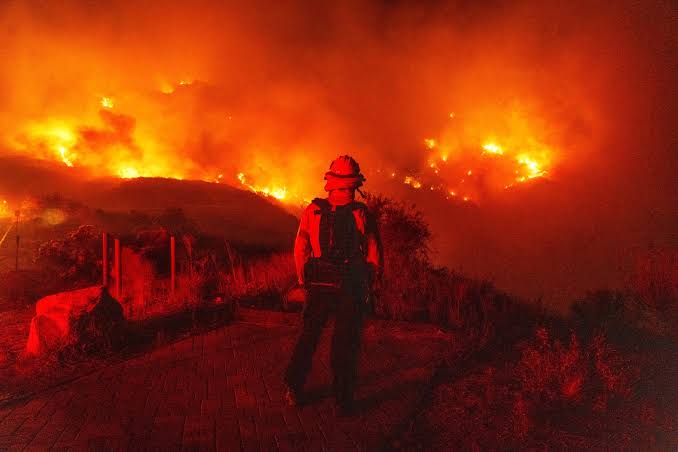
 The pristine coastline of Malibu, known for its multimillion-dollar real estate and as a haven for Hollywood elites like Paris Hilton, Anthony Hopkins, and Billy Crystal, now lies in ruins. The aftermath of devastating wildfires has transformed the coveted oceanfront paradise into a haunting landscape of desolation and loss.
Once opulent mansions, symbols of wealth and architectural grandeur, now exist only as skeletal remnants or have been entirely swept into the Pacific Ocean. The scale of destruction is staggering, with some of the world’s most expensive properties reduced to ash. In the nearby Palisades, what were once neighborhoods of stunning homes are now grim grids of debris and ash, resembling makeshift cemeteries.
Beyond the destruction of property, the fires have upended life for millions in the region. Schools are closed, hundreds of thousands remain without power, and major events have been disrupted. Even the NFL playoff game between the Los Angeles Rams and Minnesota Vikings had to be relocated due to the fires.
A Warning from Nature
Meteorologists caution that while the intense winds and dry conditions fueling the fires have slightly abated, the threat is far from over. The National Weather Service has warned that “significant fire growth” remains a real possibility, with ongoing and new blazes expected to persist through the week.
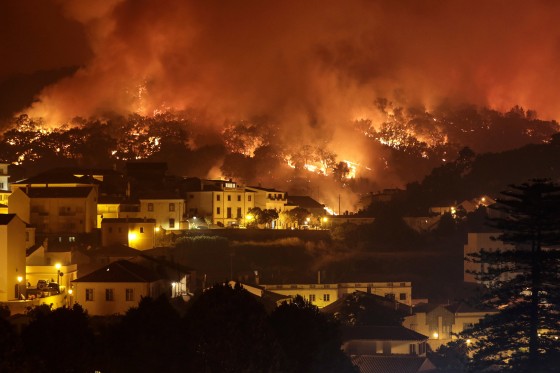 The wildfires are not merely a natural phenomenon—they are a stark reminder of the growing impact of human-induced climate change. Scientists point to altered weather patterns and changing fire dynamics as evidence of the planet’s shifting climate. Southern California, which experienced two wet years followed by an extremely dry one, now has an abundance of dry vegetation ready to ignite, providing the perfect conditions for wildfires to thrive.
The Human and Environmental Toll
The devastation has left communities grappling with displacement, loss, and uncertainty. While Malibu’s celebrity residents may have the resources to rebuild, many others in the area face an uncertain future. The fires have also raised urgent questions about urban planning, fire preparedness, and climate resilience in regions increasingly vulnerable to such disasters.
As firefighters battle the flames and residents begin the slow process of recovery, the wildfires serve as a sobering reminder of the fragility of even the most opulent lives when faced with the wrath of nature—a wrath intensified by the choices humanity makes.