
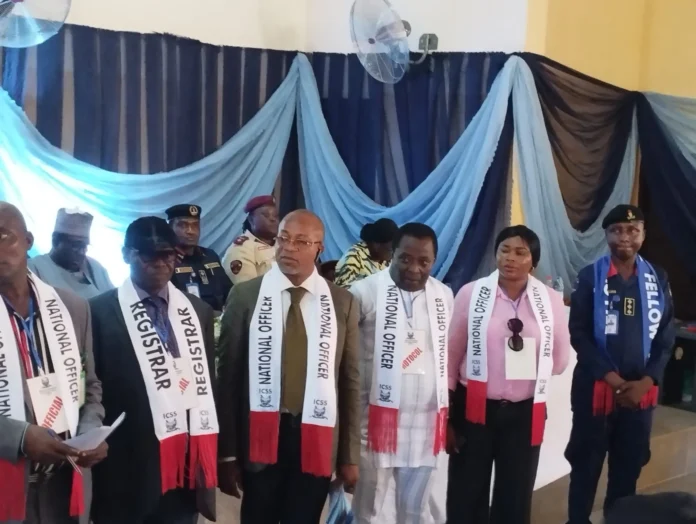
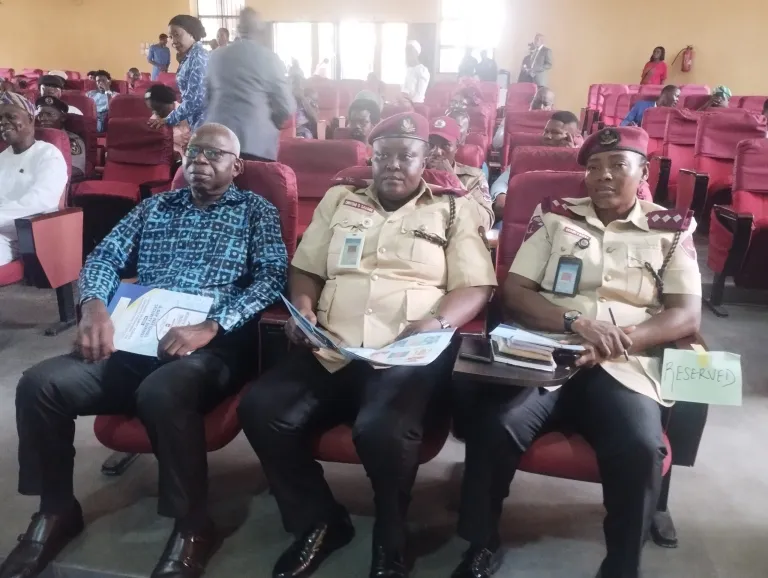
 As Nigeria celebrates its 25th Democracy Day yesterday, the Institute of Criminology and Strategic Studies (ICSS), convened a National Summit to tackle the pressing issue of national security.
Under the theme ‘National Security Agenda: Community Engagement, Law Enforcement, and Technology’, experts and stakeholders gathered to share insights and strategies for enhancing security and safety in the country.
At the Institute of Criminology and Strategic Studies (ICSS) National Summit, Prince Chukwuemeka Nwenyi, Founder and Executive Chairman of Rapid Vigil Security Company Limited (Security & Loss Prevention), emphasized the crucial role of security infrastructure in combating insecurity, urging the government to prioritize investment in this critical area.
“Security is an integral part of infrastructure, and without it, any structure built is like a building on sand, destined to collapse,” said Prince Chukwuemeka.
“While our security agencies and organizations are doing their best with the available resources, the criminals they fight have superior equipment to counter their efforts. I commend their efforts, but I urge the government to prioritize addressing insecurity in the country. Forums like ICSS provide a valuable platform for deepening knowledge and creating awareness, and I encourage the government to support such initiatives.”
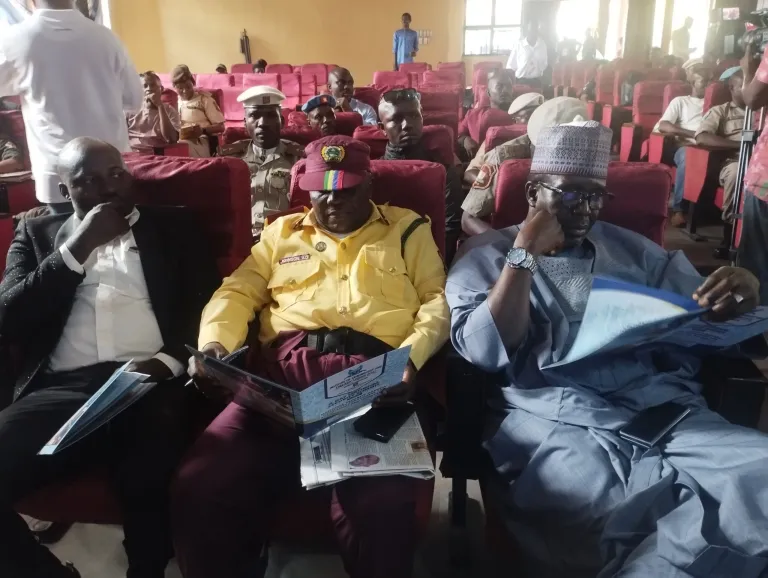 Professor Omololu Soyombo, a sociology expert from the University of Lagos, emphasized the significance of the summit’s theme, highlighting the crucial roles of law enforcement, technology, and community engagement in achieving national security.
According to Professor Soyombo, “The theme of this summit is very relevant to our contemporary society, as it focuses on the national security agenda, which encompasses issues related to law enforcement, technology, and community engagement – the three legs of national security.”
He noted that the synergy between the community and law enforcement agencies in Nigeria is currently lacking, as many people do not interact with the Nigerian Police as they should.
Professor Soyombo encouraged the police to organize programs and activities that will help build trust and endear them to the communities, saying, “The police need to reach out to more people within the community to build trust.”
Dr. Chuks Maha, a security expert, highlighted the consensus reached among various security agencies at the summit, emphasizing the urgent need to enhance security in Nigeria.
“We had representatives from 14 security agencies here today, and we all agreed on the need to improve security in Nigeria.
One of the key takeaways is the mantra: “When you see something, do something. If you cannot do something, say something”, Dr Chuks said.
Bala A. Dangana, Comptroller of the Nigeria Immigration Service, Lagos Command, highlighted the efforts of the service in addressing insecurity in Nigeria, particularly in the Lagos area.”
According to Bala A. Dangana, “Based on the prevailing security challenges in the country and the leadership of the present Comptroller General of the Nigeria Immigration Service, General Naba, we have made tremendous progress in our operations. Lagos being one of the largest economies in Africa, we are doing our best to police our borders and airport by deploying modern technology, which has greatly improved our service delivery.”
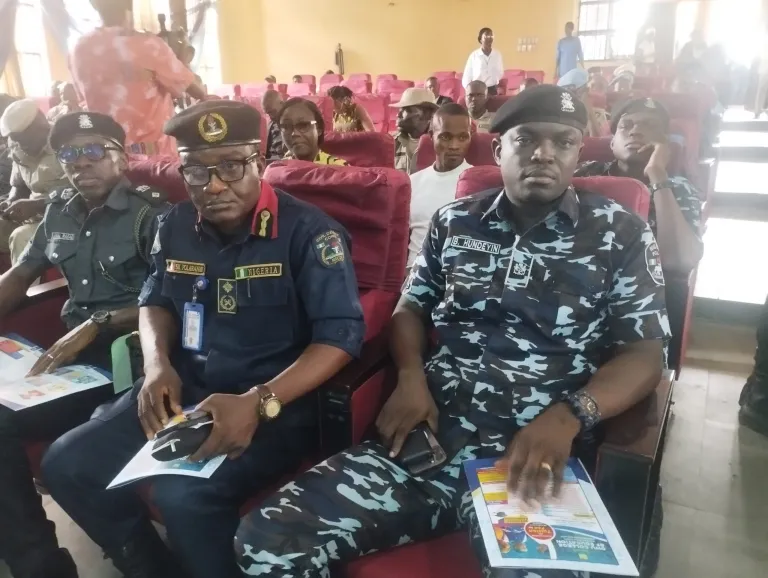 SP Benjamin Hundeyin, Public Relations Officer of the Lagos State Police Command, commended the gathering of security stakeholders, emphasizing the importance of implementing the discussed solutions and highlighting the existing synergy between the police and the community.
According to SP Benjamin Hundeyin, “This gathering is a laudable one, bringing together important stakeholders in the security sector. We’ve discussed salient points and proposed solutions, making it a commendable effort. Now, we must strive to implement what we’ve discussed.”
He noted that synergy between the police and the community already exists, and they’re working to strengthen it through the Police Community Relations Committee (PCRC), which is expanding its reach.
He emphasized that effective policing requires community support and input, saying, ‘A community cannot be policed without the support and input of that community.
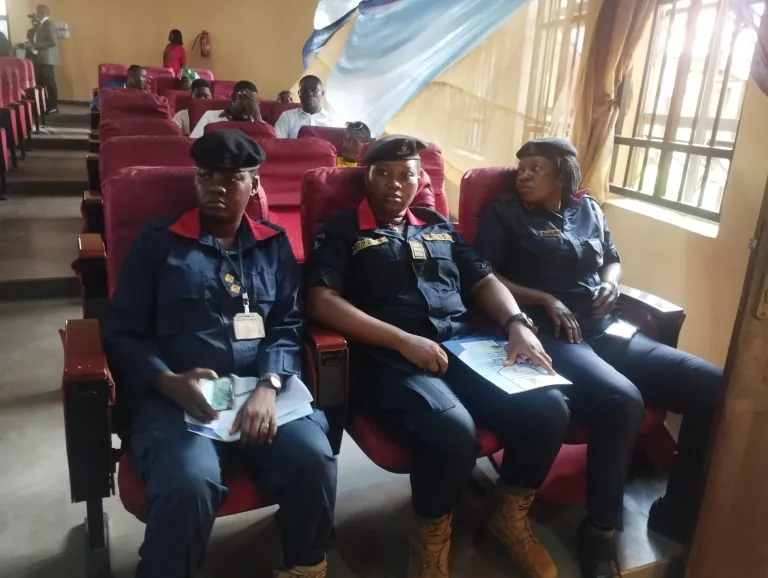 Dr. Adekunle Zubair, Director of Research and Publications at the Institute of Criminology and Strategic Studies, explained the rationale behind the establishment of the institute’s Anti-Crime Brigade, aimed at combating crime and addressing societal issues.
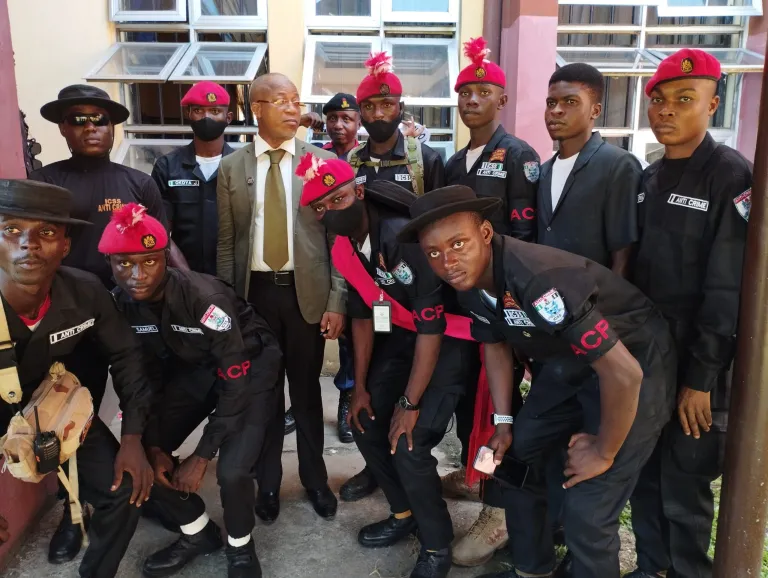
According to Dr. Adekunle Zubair, ‘The Institute of Criminology and Strategic Studies has initiated the Anti-Crime Brigade to give back to society and fight crime, which is the core reason for the institute’s existence. The brigade aims to curb crimes and control the excesses of criminals in our society. We identified a problem in our society, namely the lack of checks and balances in curbing crime, such as the saddening practice of people having to pay for petitions at police stations. We are working to address this issue.”
Dr. Adekunle Aderemi Samuel, Registrar General of the Institute of Criminology and Strategic Studies, also highlighted the significance of the institute’s annual gathering of security experts on Nigeria’s Democracy Day, focusing on addressing the prevailing issue of insecurity.
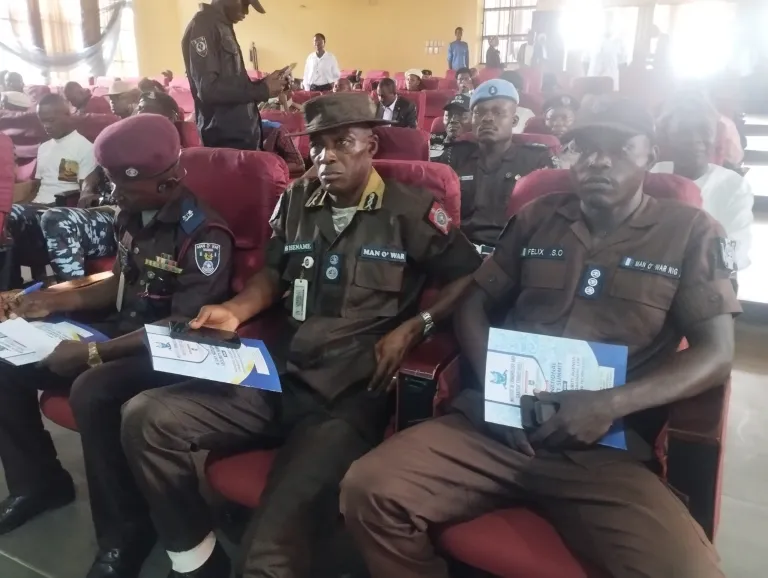
Dr. Adekunle said, “On this Nigeria Democracy Day, we have assembled security experts, as is our tradition, to discuss and debate the pressing issue of insecurity in our nation. Today, we have set an agenda focusing on law enforcement, technology, and community engagement. We recognize that community engagement is essential; we must take the conversation to the grassroots, discussing how to secure our nation.”