 Bori, the traditional headquarters of Ogoniland in Rivers State, was engulfed in tension on Saturday as a highly anticipated stakeholders’ congress on the proposed resumption of oil exploration ended abruptly due to poor organization and rising unrest among attendees.
A Crucial Meeting Undone by Tension and Poor Planning
The meeting, which was expected to chart a collective path for Ogoni communities regarding the federal government’s plans to restart oil extraction in the region, collapsed into confusion as tempers flared and divisions among participants became evident.
The gathering was convened in response to a directive from President Bola Ahmed Tinubu, who, during a meeting in Abuja two weeks ago, urged Ogoni leaders to consult their people and present a unified stance on the proposed resumption of oil drilling.
However, rather than fostering consensus, the congress descended into disorder, with various factions expressing distrust over the process and voicing deep-seated grievances about the environmental degradation and economic marginalization that have historically accompanied oil exploration in the area.
 Why the Congress Collapsed: Key Factors Behind the Fallout
Poor Organization: Many attendees criticized the lack of clear coordination, which led to discontent and, ultimately, the failure of the dialogue.
Rising Tensions & Deep Divisions: The subject of oil exploration in Ogoniland remains highly controversial, with some stakeholders open to negotiations while others remain staunchly opposed, citing past injustices and environmental concerns.
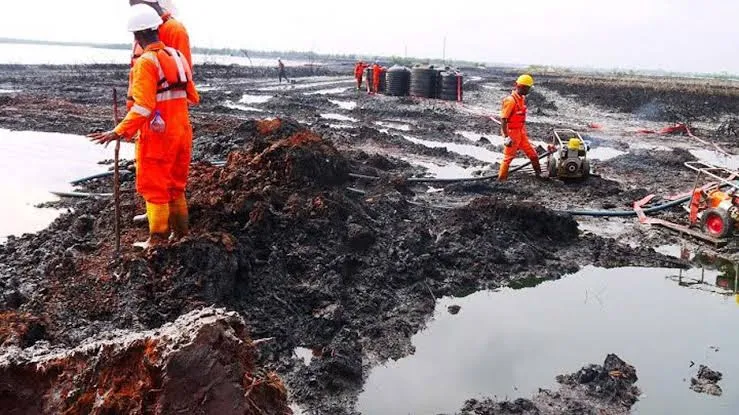
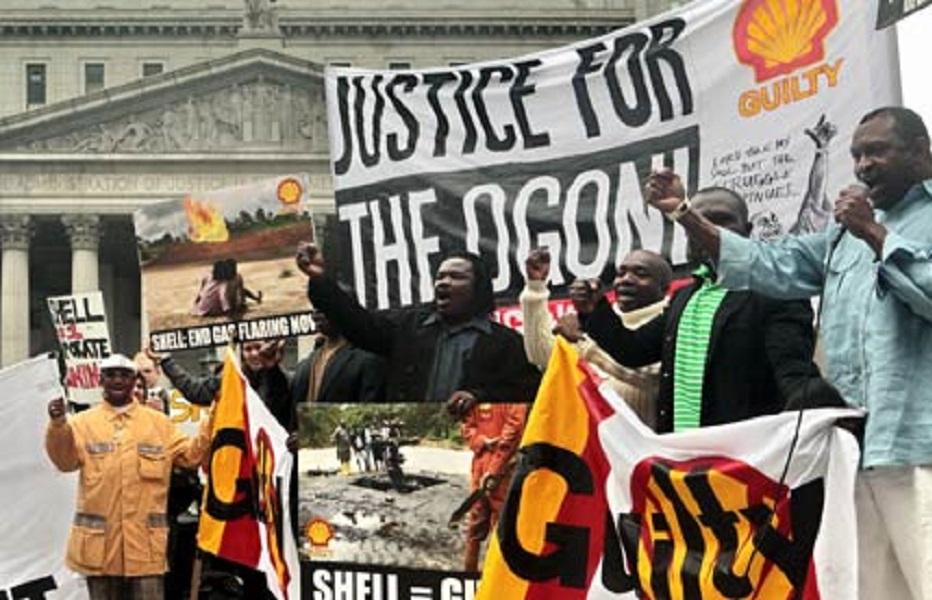
Unresolved Historical Grievances: Many Ogoni residents and activists still demand accountability for the region’s long history of oil spills, land degradation, and socio-economic neglect, fearing that renewed drilling will only worsen their plight.
Security Concerns & Mistrust: With allegations of political interference and fears of exploitation by external interests, many community members questioned the legitimacy of those advocating for a return to oil exploration.
The Historical Context: Ogoniland’s Long Struggle Over Oil
For decades, Ogoniland has been at the center of one of Nigeria’s most contentious environmental and human rights struggles.
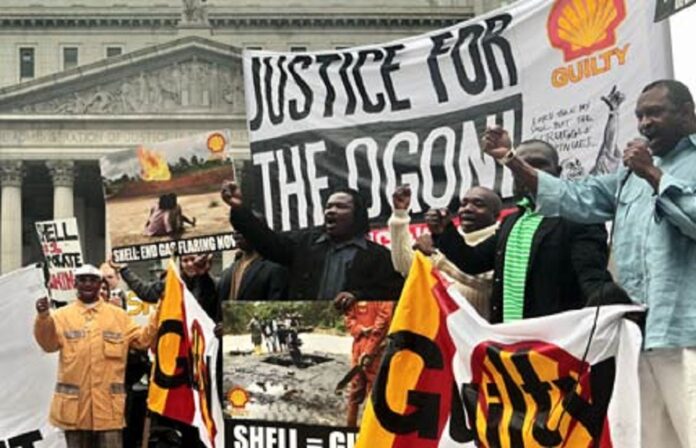
In the 1990s, the Movement for the Survival of the Ogoni People (MOSOP), led by the late Ken Saro-Wiwa, fiercely opposed oil drilling in the region due to its catastrophic environmental impact and the exclusion of local communities from oil revenues.
The resistance led to widespread military crackdowns, human rights violations, and the eventual execution of Saro-Wiwa and eight other Ogoni activists in 1995, a tragedy that remains a defining moment in Nigeria’s history.
In 2011, a landmark United Nations Environment Programme (UNEP) report confirmed the severe environmental degradation in Ogoniland, prompting the Nigerian government to initiate a multi-billion-dollar cleanup project. However, many Ogonis believe the cleanup has been slow and largely ineffective, fueling mistrust of any new oil-related agreements.
Social Media Reactions: A Divided Community Speaks
On Facebook, Instagram, X (formerly Twitter), and LinkedIn, the failed congress has sparked a heated debate among Nigerians, particularly those from the Niger Delta region.
@OgoniRights (X User): “The same mistakes of the past cannot be repeated. No to oil exploration without community-driven agreements and environmental protections! #OgoniPeople #NoMoreExploitation”
@GreenAfricaNetwork (Instagram): “If oil companies want to return to Ogoniland, let them first complete the cleanup and compensate the people for years of suffering!”
@OgonilandVoice (Facebook): “We must be careful! Who are the leaders negotiating on behalf of the people? Do they represent the true interests of Ogoni communities?”
LinkedIn Comment from an Environmental Expert: “This situation is delicate. Without transparency and clear benefits for the local population, restarting oil exploration in Ogoniland will be met with massive resistance.”
 What Happens Next? The Uncertain Future of Oil in Ogoniland
With the failed congress exposing deep-seated divisions, the next steps remain uncertain. The Nigerian government will need to navigate carefully if it hopes to convince the Ogoni people to support oil exploration.
Some possible developments to watch:
Further Consultations: The federal government may call for more inclusive dialogue, ensuring that all factions of Ogoni society are represented.
Reassurances on Environmental Cleanup: There could be renewed commitments to fast-track the UNEP-recommended cleanup as a precondition for any new oil activities.
Economic Incentives & Community Benefits: Authorities may propose direct financial benefits, job creation, and infrastructural development to win local support.
Heightened Activism & Resistance: If the government fails to address longstanding concerns, expect increased protests, legal battles, and civil society pushback.
A Defining Moment for Ogoni Land
As Nigeria explores the possibility of reviving oil activities in Ogoniland, the failure of this crucial meeting in Bori sends a clear message: Without transparency, trust, and tangible benefits for the people, any move to restart oil exploration is bound to meet fierce resistance.
The struggles of the Ogoni people remain a powerful symbol of the broader fight for environmental justice, resource control, and fair governance in Nigeria’s oil-rich but deeply neglected Niger Delta region.
Stay tuned for further updates as the story unfolds!