
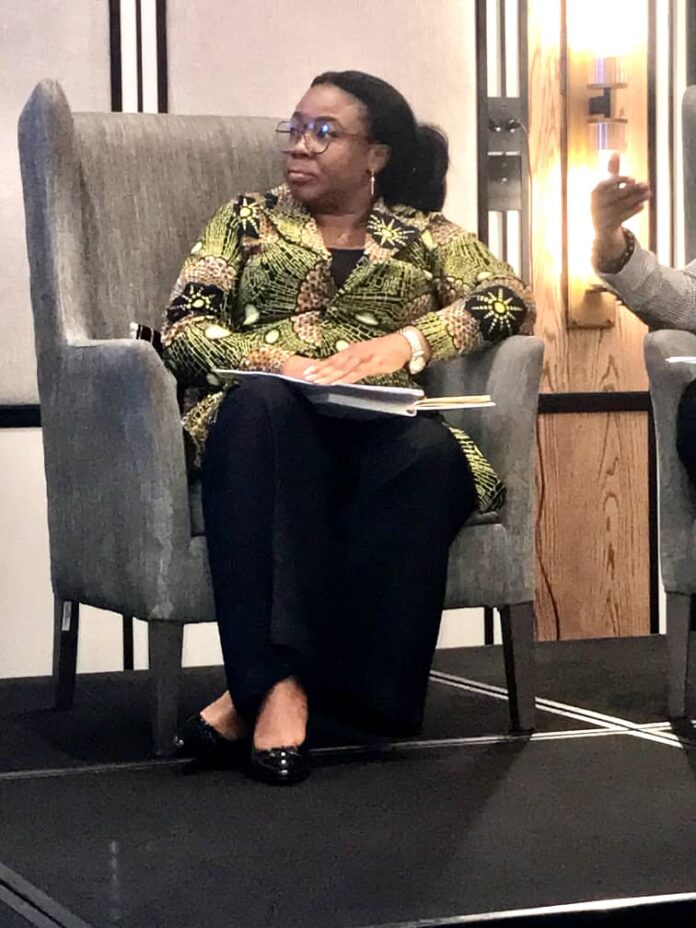
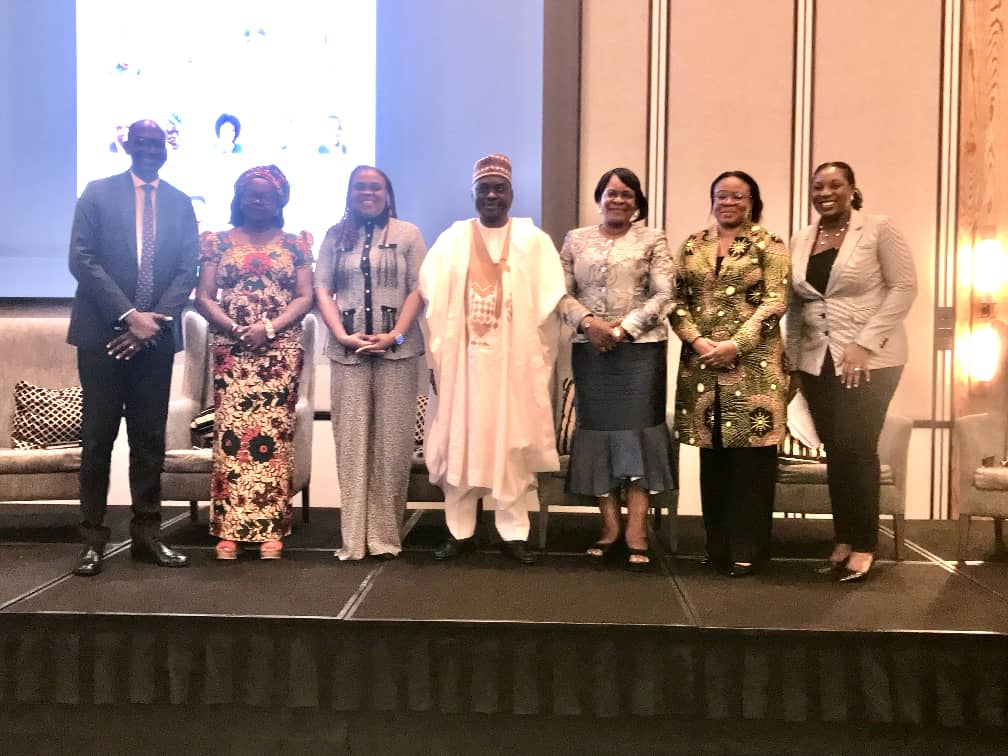
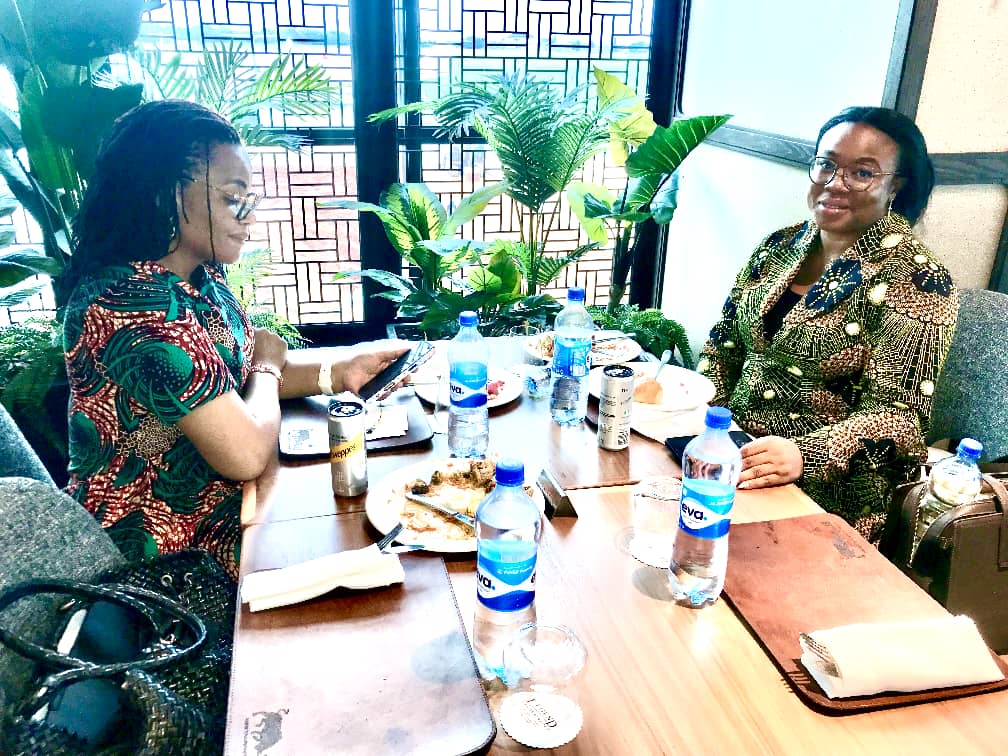
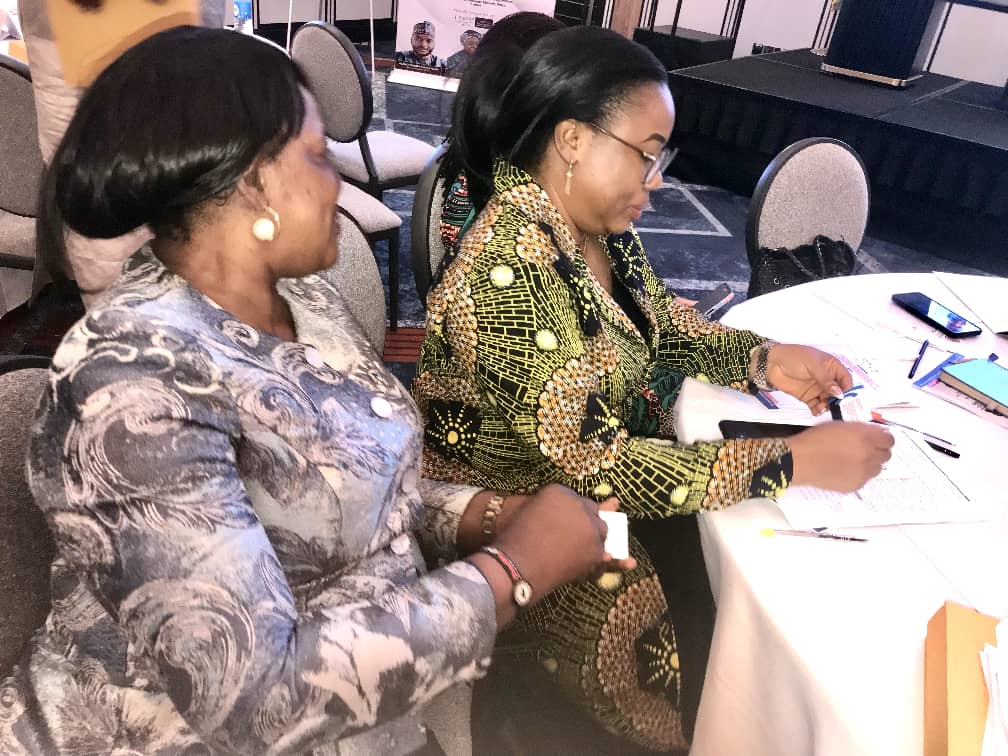
 Lagos, Nigeria – April 2026 — Emiola Oke National Programme Officer, Immigration and Border Governance, UN Migration Agency (IOM), has raised urgent concerns over the intersection of migration, security, and economic activity in West and Central Africa, warning that Nigeria must adopt a more balanced approach that protects lives while enabling livelihoods. She made this known while delivering her minute nuggets at the Nigerian-American Chamber of Commerce and The Nigeroa Immigration Service jointly organized International Round-table On Policy and Governance Reforms themed Policy & Governance Reforms In Nigeria’s Immigration & Border Management Sector which was held at Legend Hotel, Curio Collection by Hilton, Lagos International Airport, Ikeja on Thursday April 23rd, 2026.
DASCENARIO reports that while speaking at the recent policy engagement event, Oke drew attention to troubling global statistics, citing findings that over 50 percent of deaths linked to migration-related crises occur within West and Central Africa, with Nigeria ranking among the most impacted countries, second only to Burkina Faso.
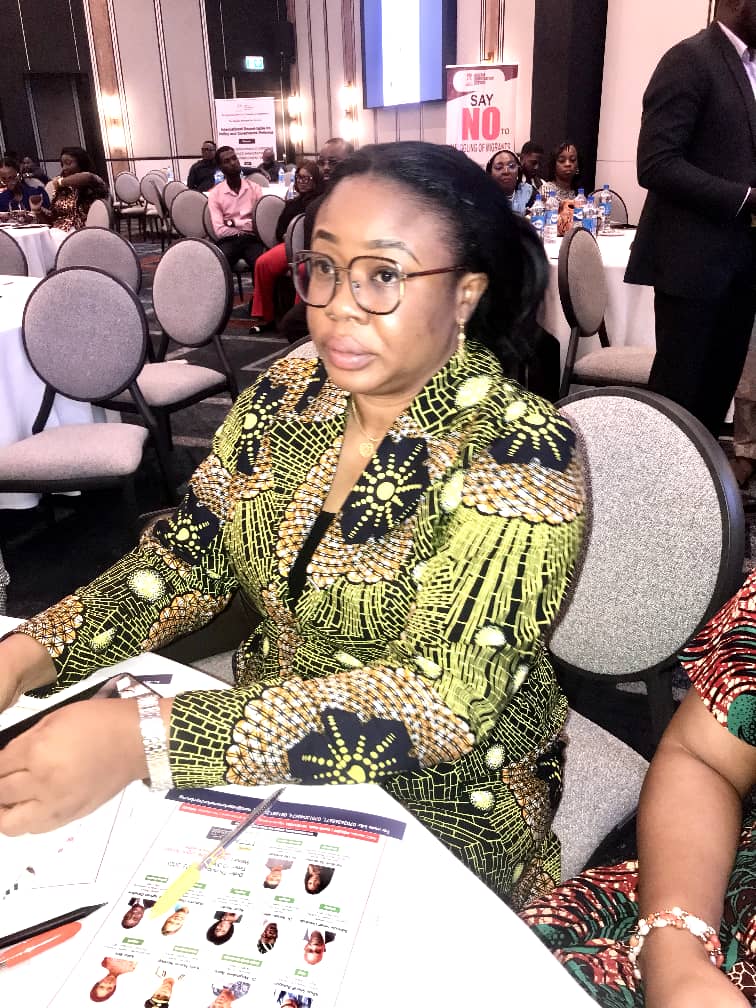
“In all of this, I will share two statistics and make generic recommendations,” she stated. “The Global Journalism Index report of 2025 reported that half of the deaths that happen around the world—50 percent—are in West and Central Africa.”
She added pointedly, “Nigeria is the worst. It shares the second largest impact of the 50 percent of deaths that happened in the region, apart from Burkina Faso.”
Oke further highlighted the economic paradox shaping the region, referencing research conducted by the United Nations, which revealed that more than 60 percent of informal trade activities remain undocumented.
According to her, a focused study along the Abidjan–Nigeria trade corridor uncovered the scale of unrecorded economic activity.
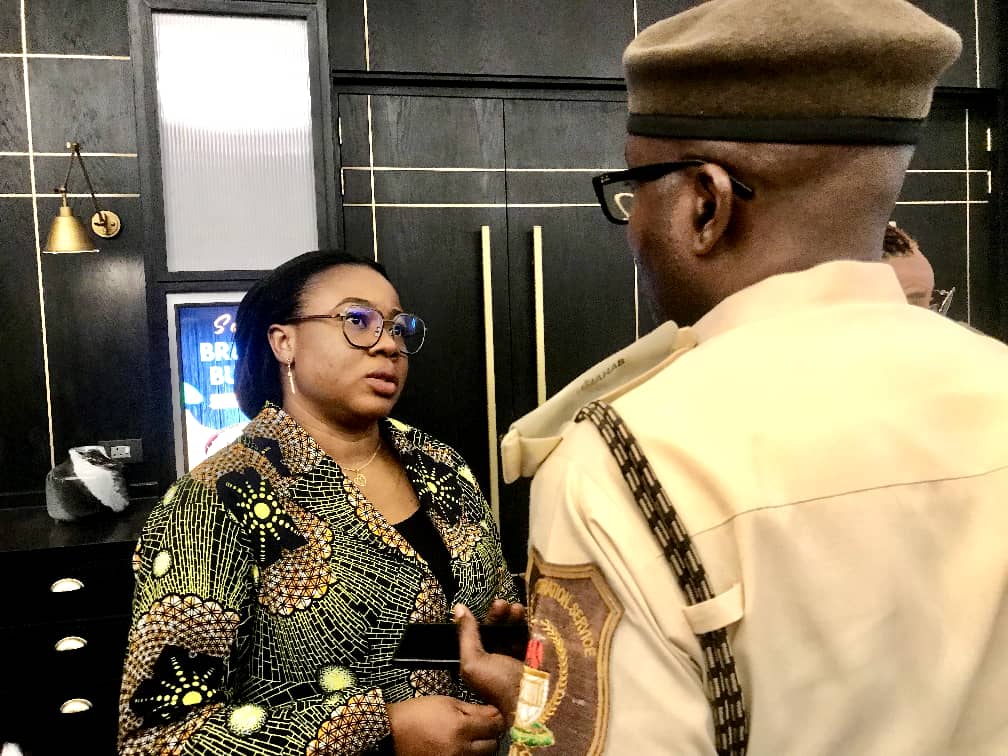 “They discovered that over 60 percent of informal trade is not documented, so they decided to document the economic value of transactions between Abidjan and Nigeria,” she explained. “In four months, transactions of over $22.8 million happened in the informal trade sector. Those numbers were not recorded.”
She stressed that these two realities—high mortality rates and massive undocumented trade—present a complex policy challenge that cannot be addressed in isolation.
 “Now, if you compare those two statistics, you will realize that it is critically important for us to balance security and facilitation. It is extremely important,” she said.
Outlining a pathway forward, Oke proposed a three-pronged strategy focused on humanitarian response, addressing root causes of migration, and strengthening peace and development frameworks.
“Number one, humanitarian response. Number two, addressing the root causes of displacement and migration. And of course, peace,” she stated. “We need to address why people move—climate-induced migration, terrorism—the root causes must be addressed.”
 She emphasized that humanitarian interventions must be sustained and not treated as temporary measures.
“Our humanitarian response has to be ongoing. And again, peace, dialogue, and anchoring everything on development response,” she concluded.
Analysts say the remarks reflect a growing consensus among policymakers that Africa’s migration crisis is not solely a security issue, but one deeply tied to economic survival, climate pressures, and governance gaps.
 The call for balance underscores the need for policies that protect borders without suffocating trade, while also addressing the structural drivers pushing millions into risky migration pathways.