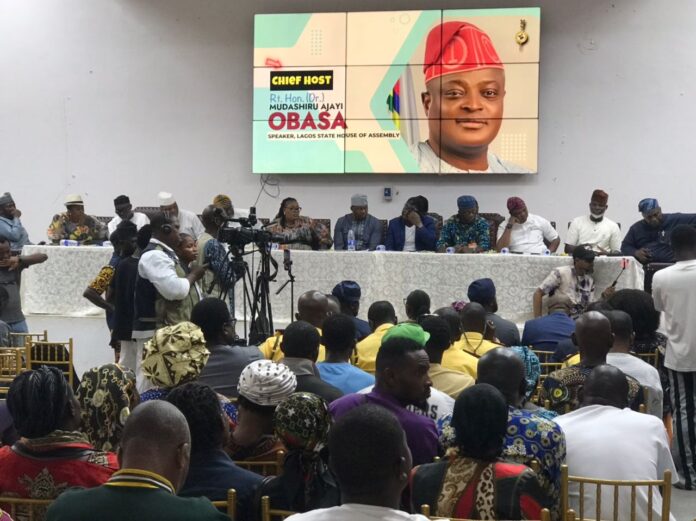
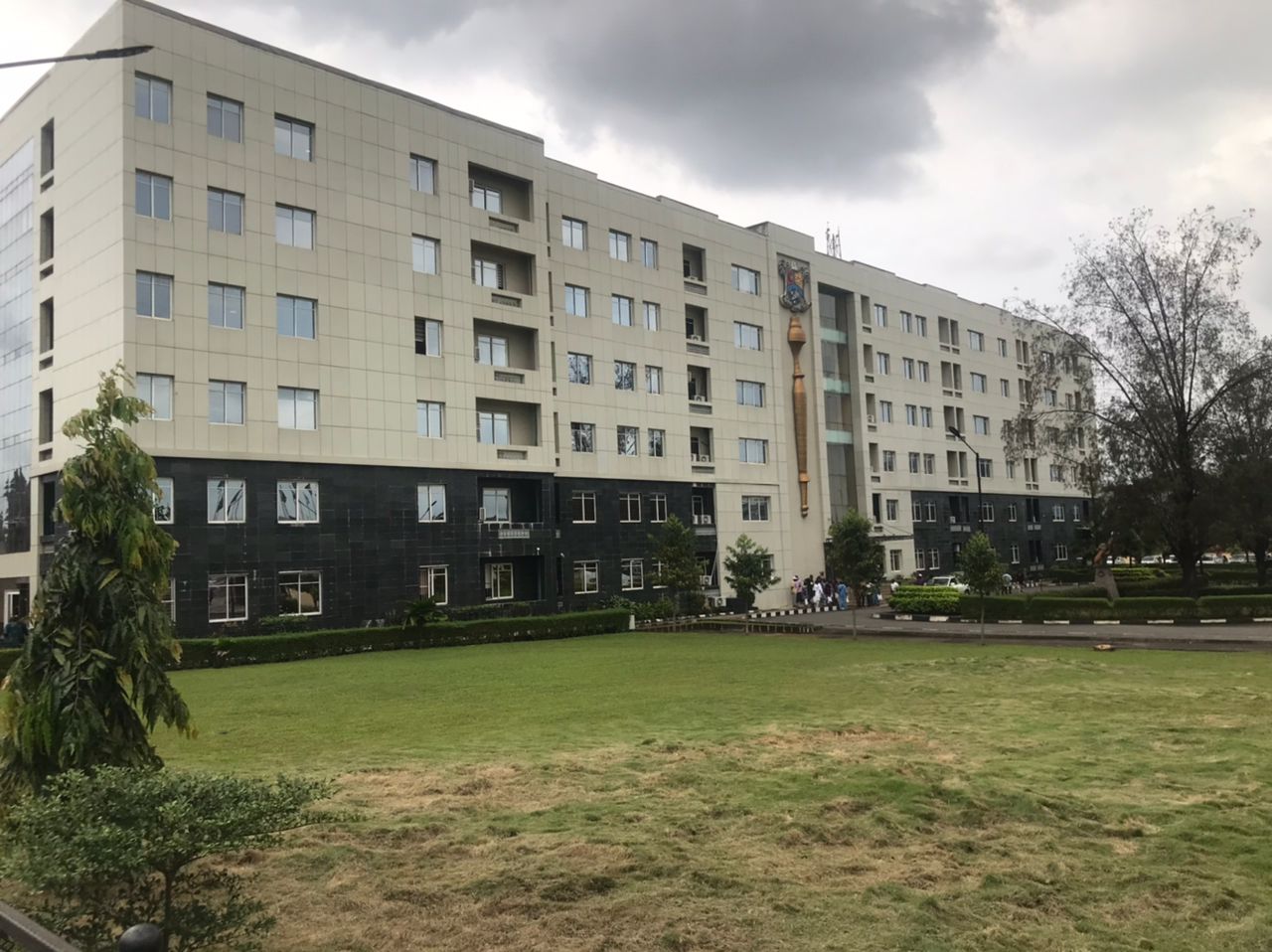
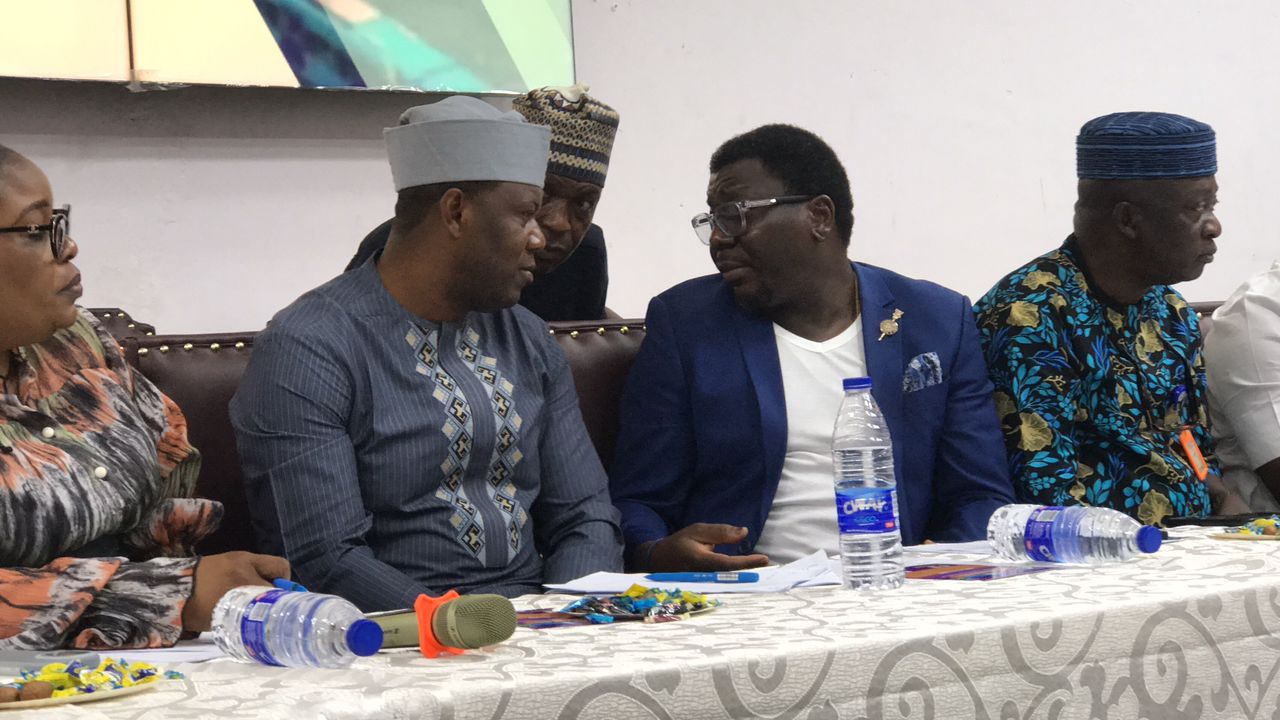
 The Lagos State House of Assembly Committee on Transportation today convened a pivotal Public Hearing on The Lagos State Railway Corporation Bill, 2025.
This landmark legislation, which seeks to establish a formal legal framework for the Lagos State Railway Corporation, represents a critical step in the state’s ambitious journey towards a modern, integrated, and efficient multi-modal transportation system.
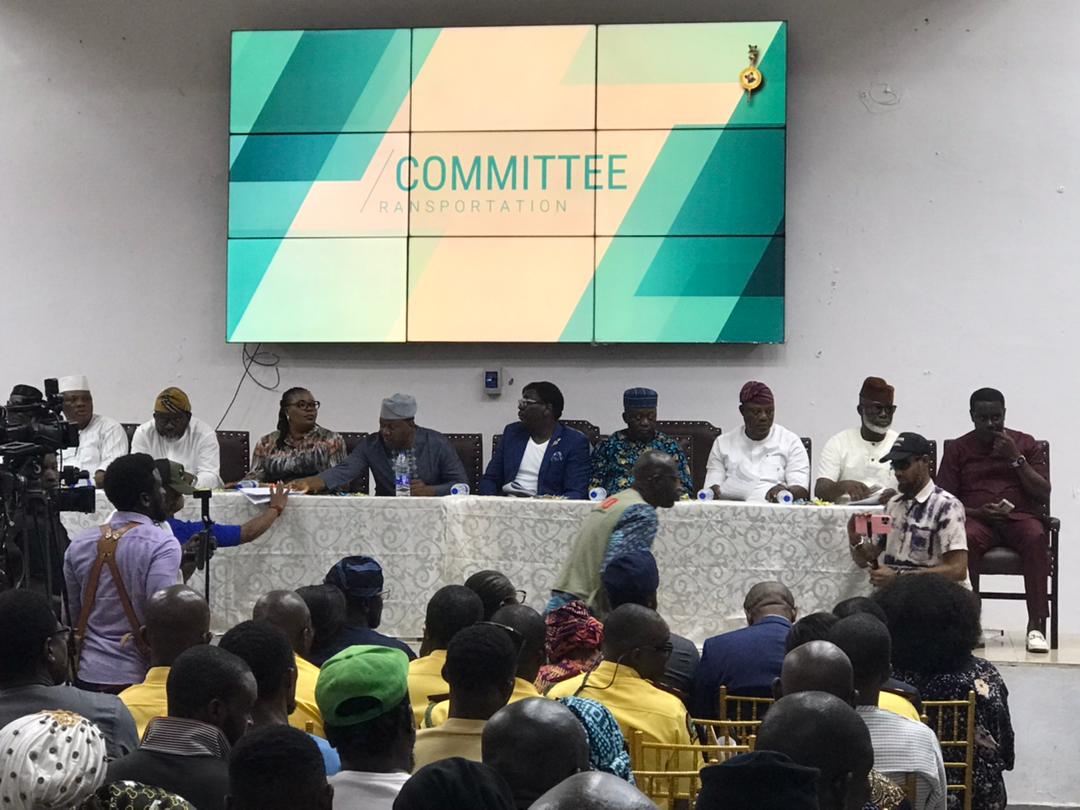 The hearing, a cornerstone of democratic lawmaking, was convened to harness expert opinions and public input, ensuring the proposed law is robust, forward-thinking, and perfectly attuned to the complex needs of Africa’s most populous city.
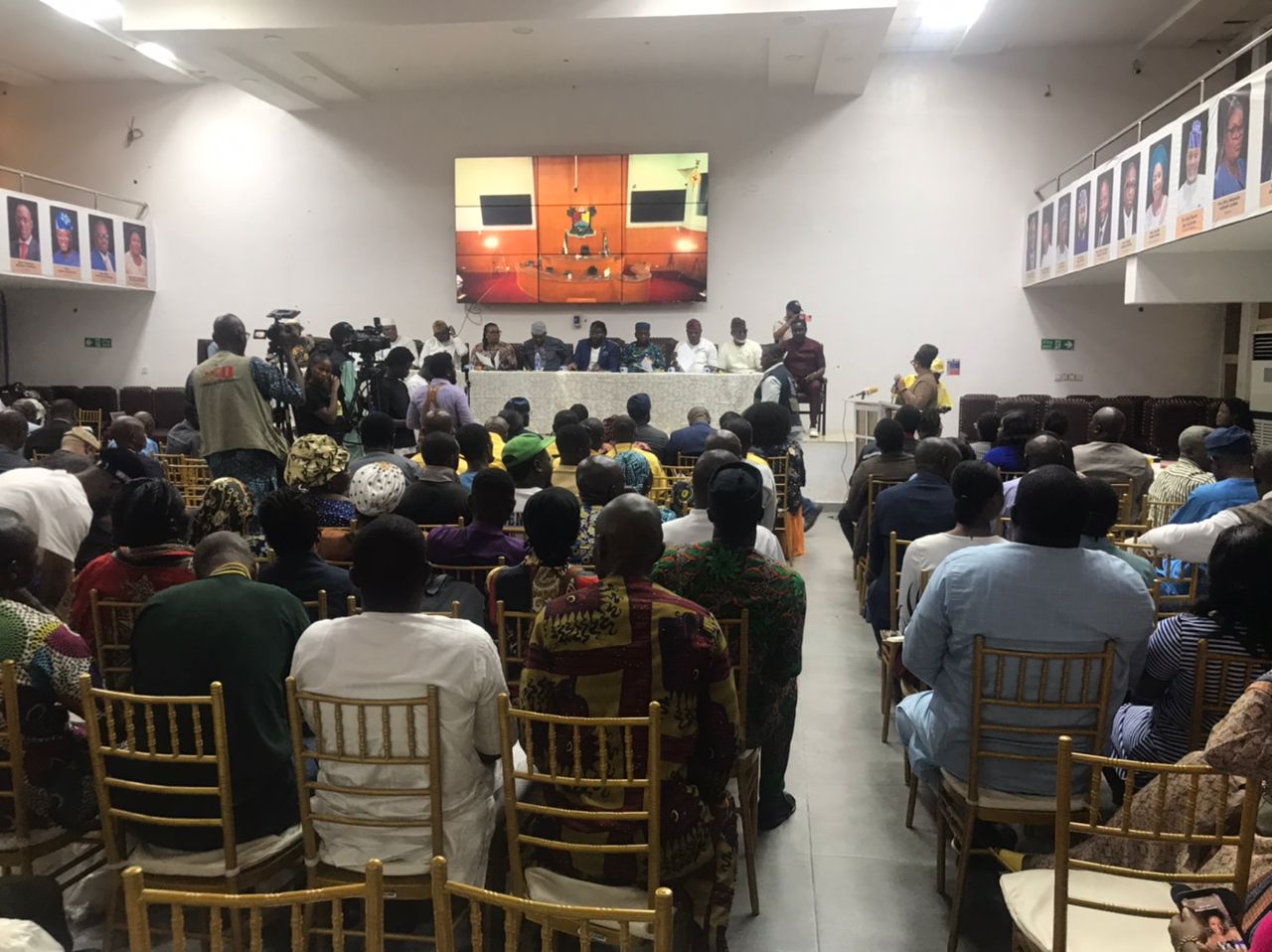 The significance of the event was underscored by the high-level delegation in attendance, reflecting the Assembly’s collective commitment to this transformative project.
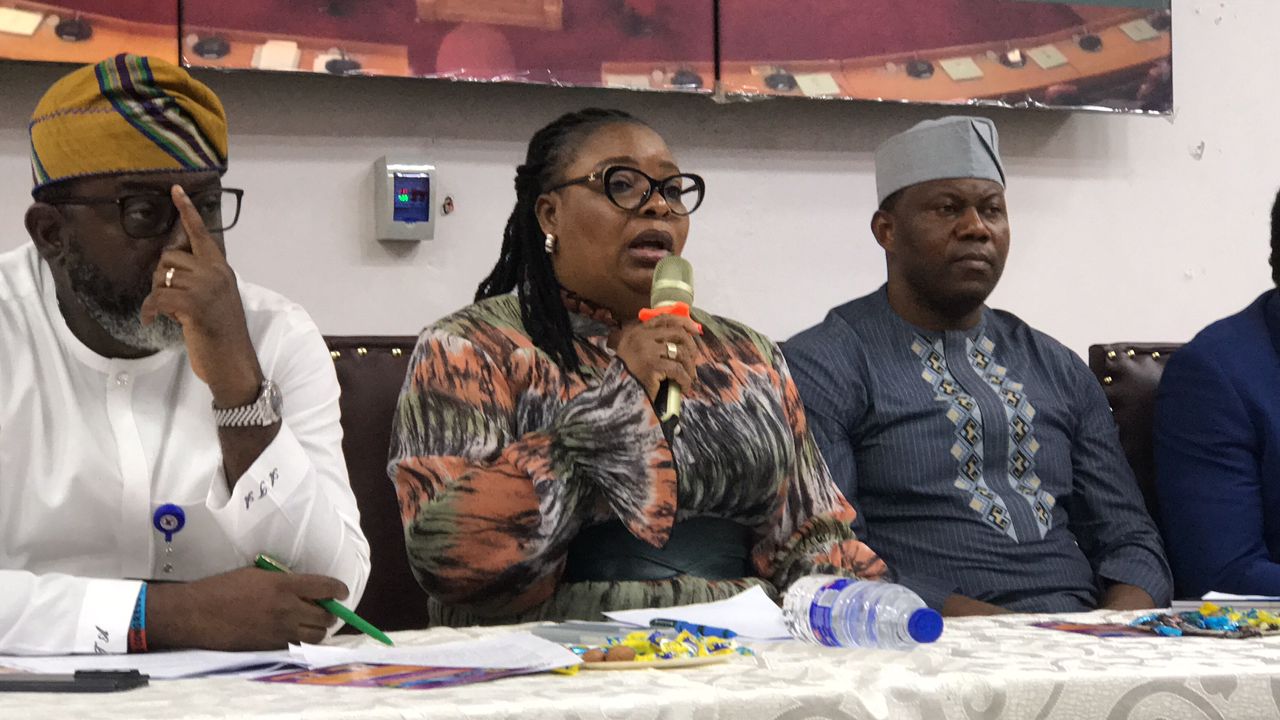
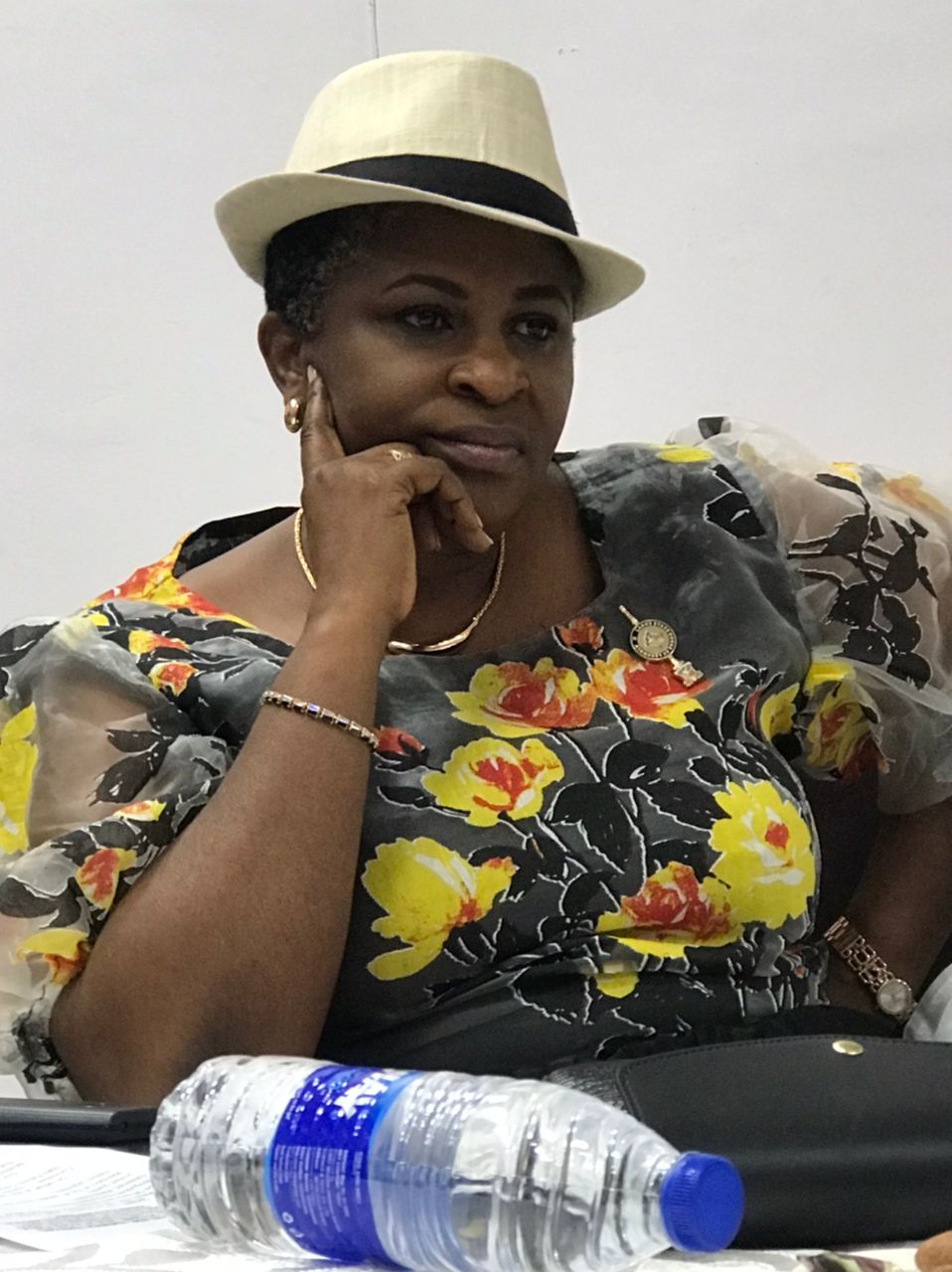
Presiding over the session was the Deputy Speaker of the Lagos State House of Assembly, Hon. Mojisola Meranda, whose presence highlighted the strategic importance of the bill.
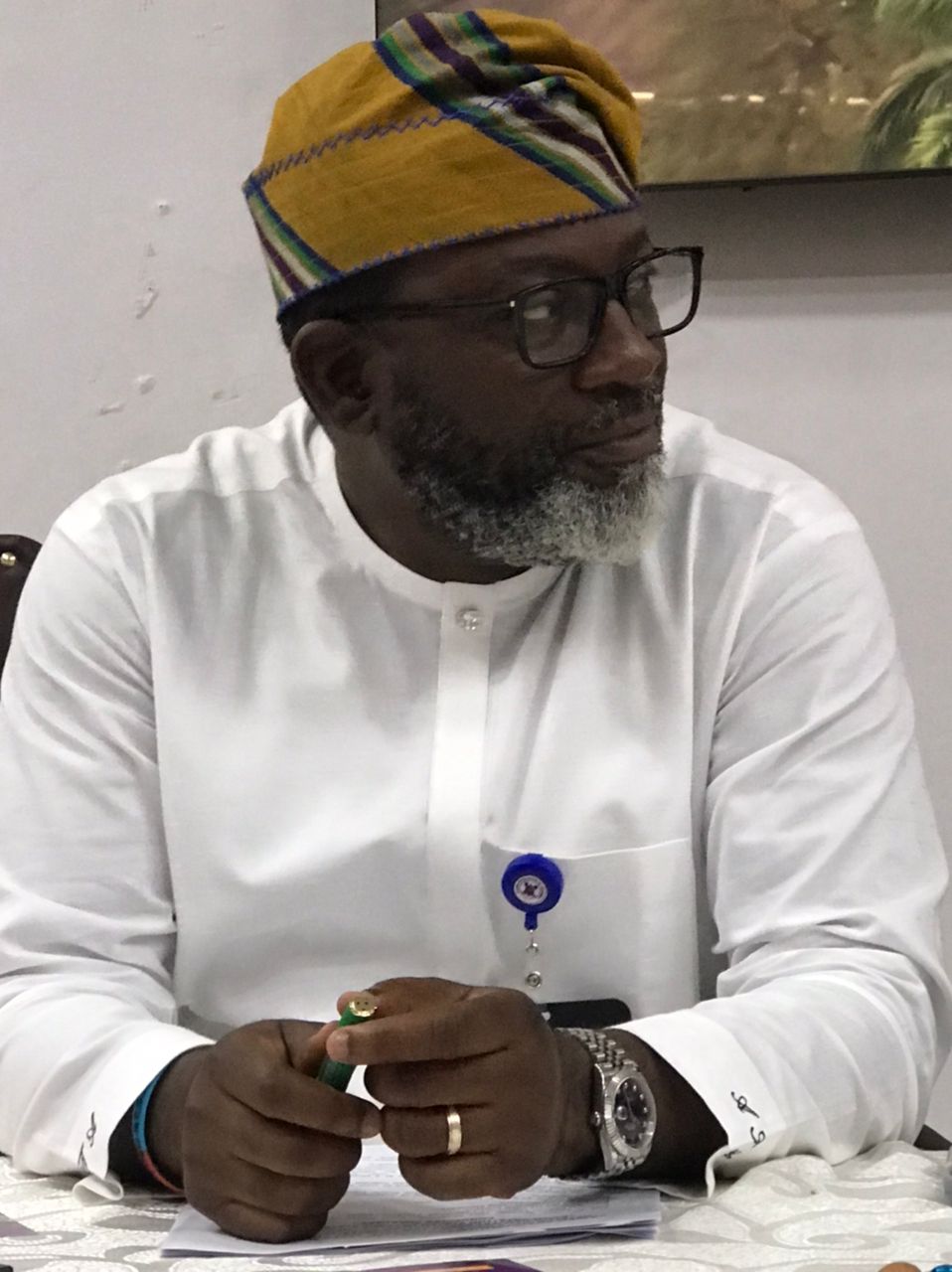
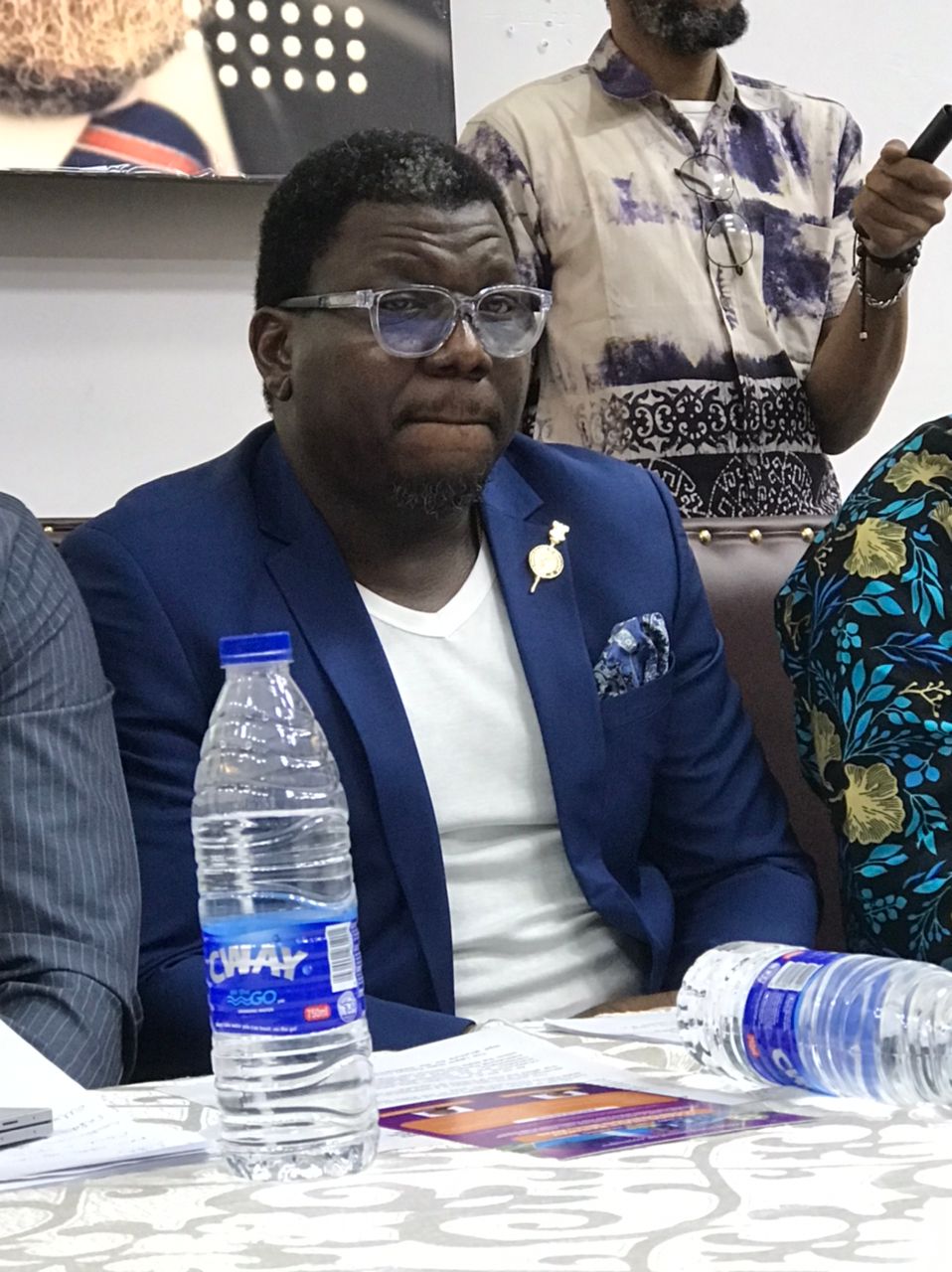
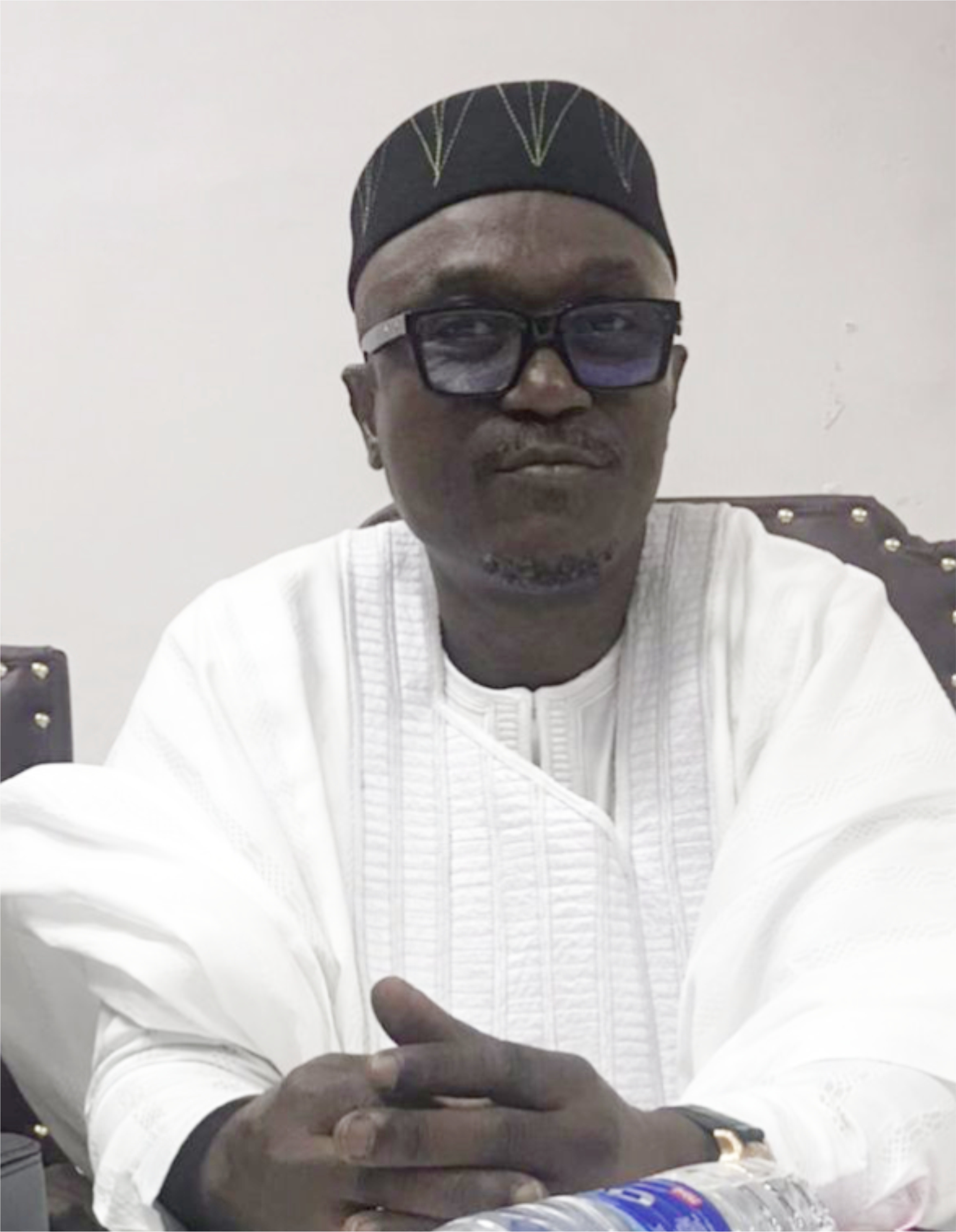
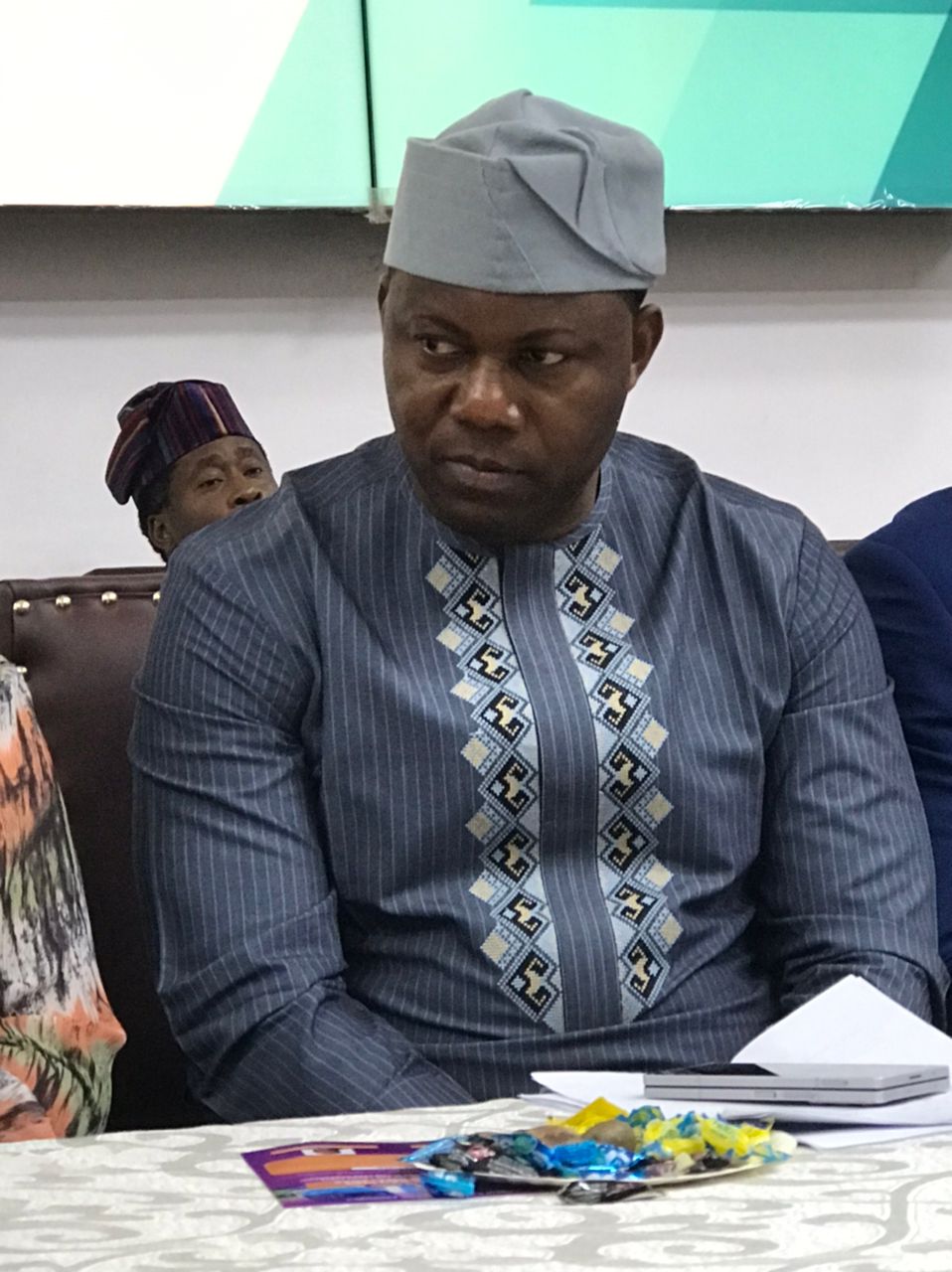
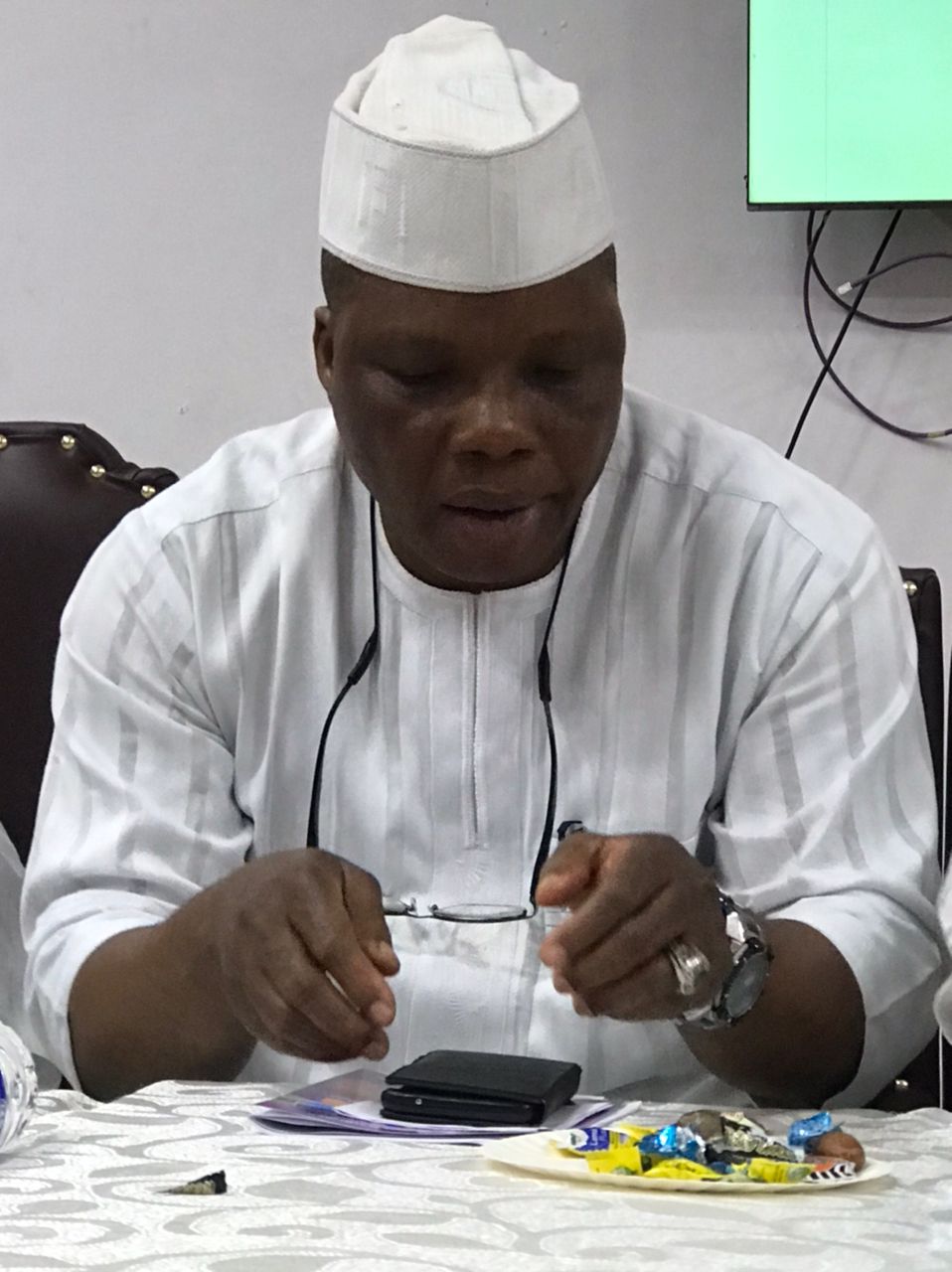
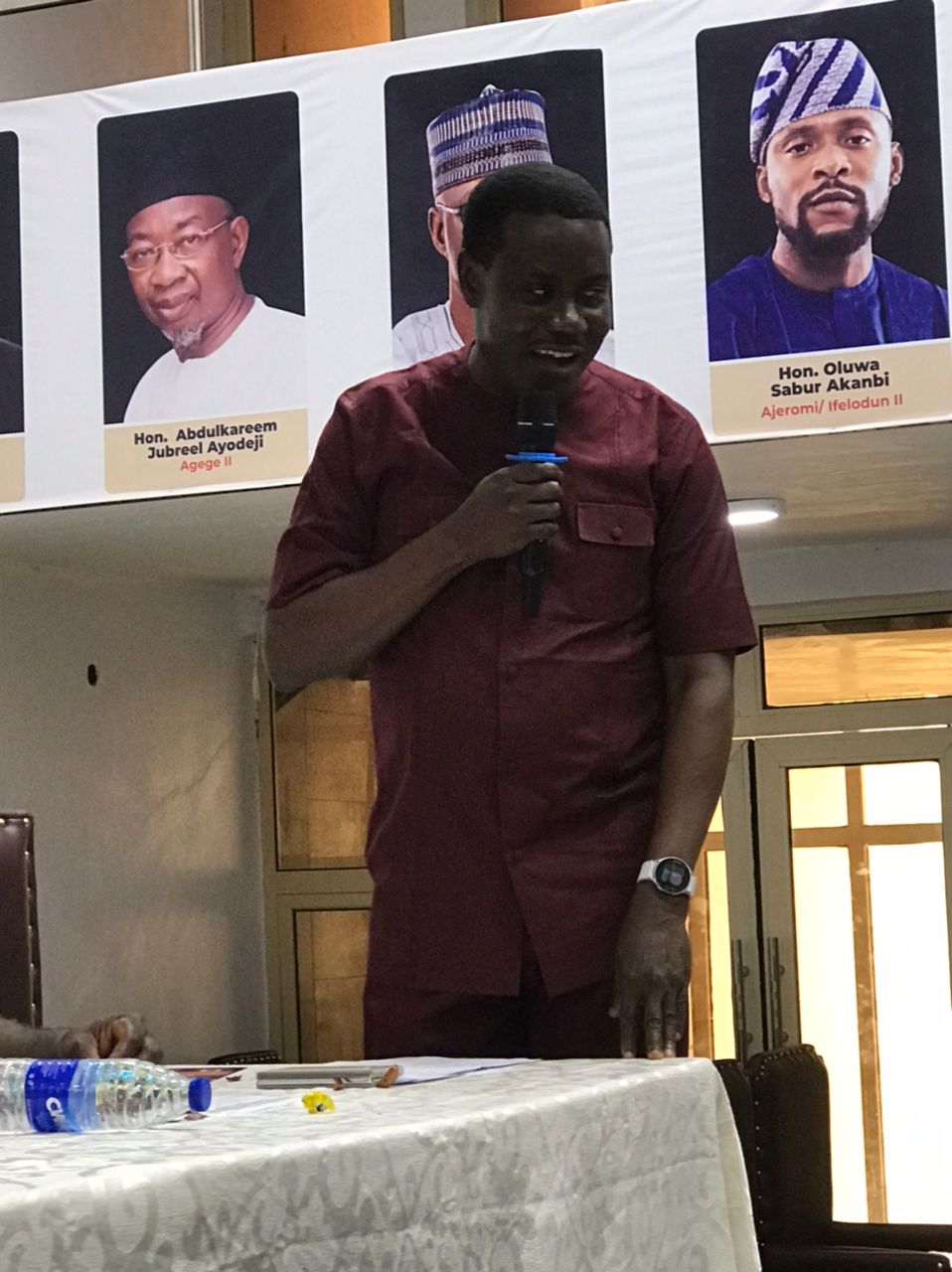
The hearing was led by the bill’s champion, Hon. Adewale Temitope Adedeji, OON, the Chairman of the Committee on Transportation, who has been at the forefront of the state’s transport revolution. Adding considerable legal and procedural weight to the deliberations was Hon. Oladipo Ajomale, Chairman of the powerful House Committee on Judiciary, Petitions, and Human Rights, alongside other distinguished members including Hon. Gbolahan Ogunleye of Ikorodu 1 Constituency, whose region stands to benefit immensely from expanded rail connectivity.
 The proposed corporation, as envisioned by the bill, is designed to be the engine room for improving, managing, and expanding the rail transportation system within Lagos State.
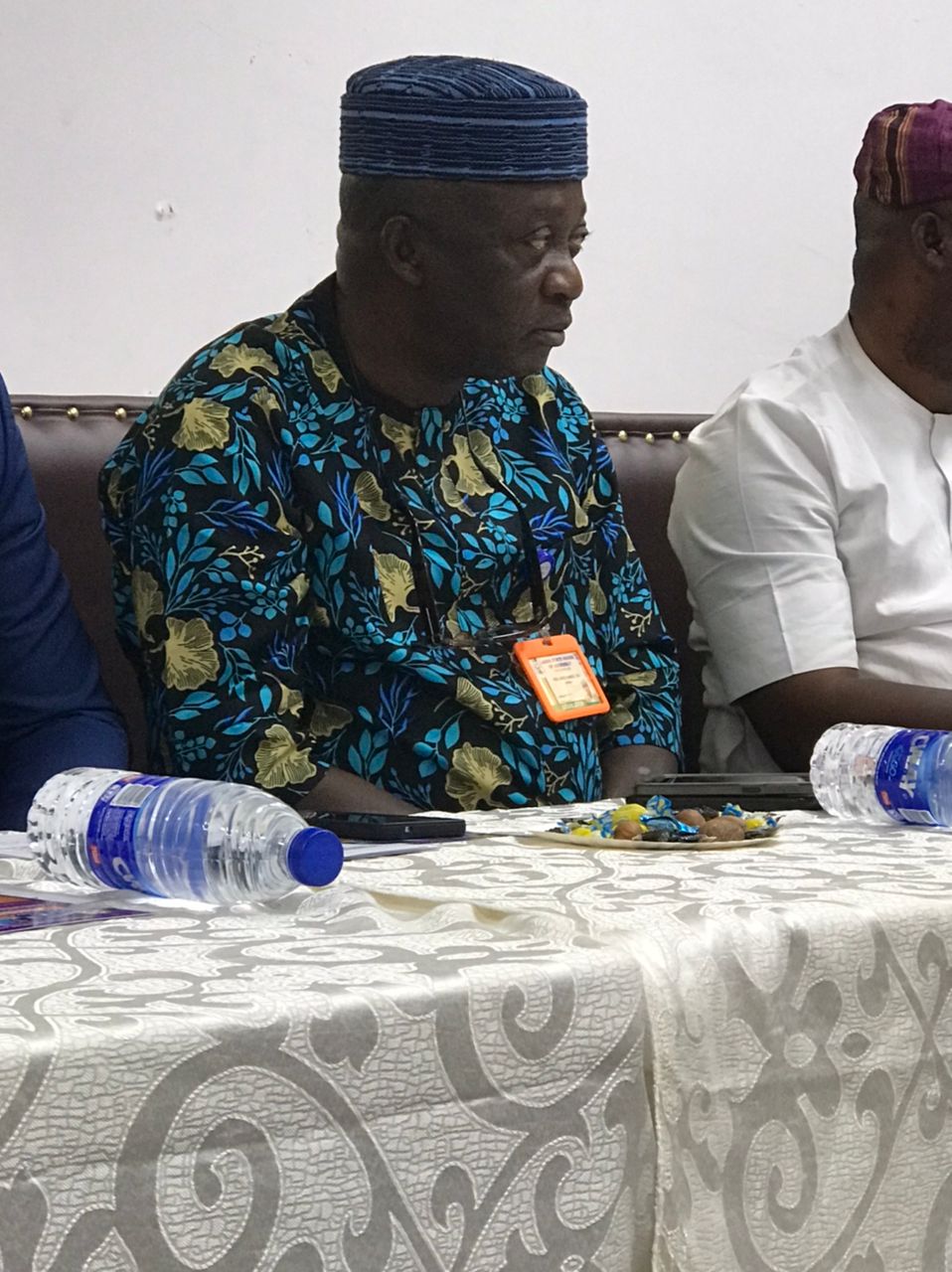
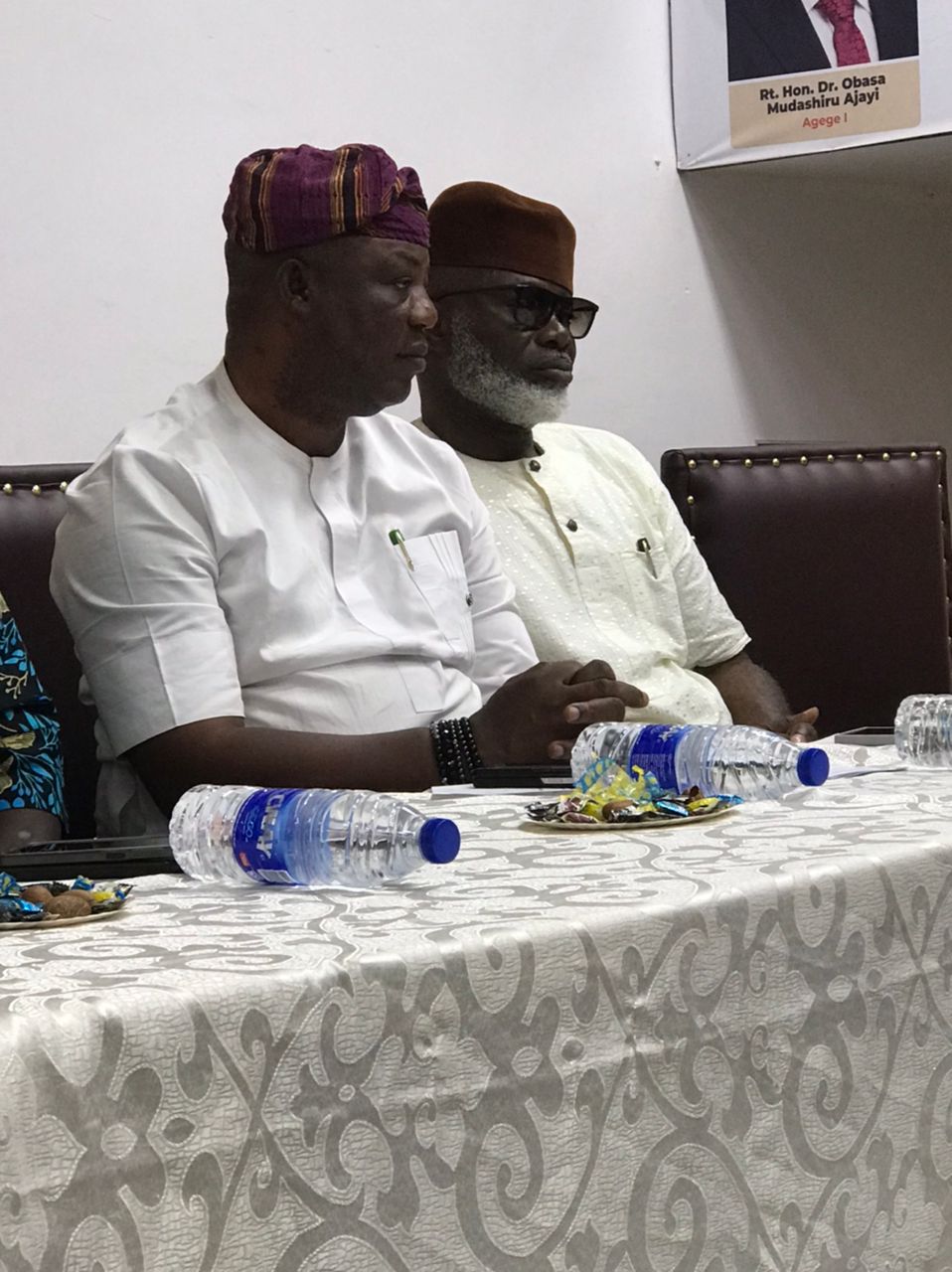 By creating a dedicated statutory body, the law aims to bring clarity, institutional capacity, and sustainable investment to the state’s rail projects, which include the Blue Line and the soon-to-be-operational Red Line.
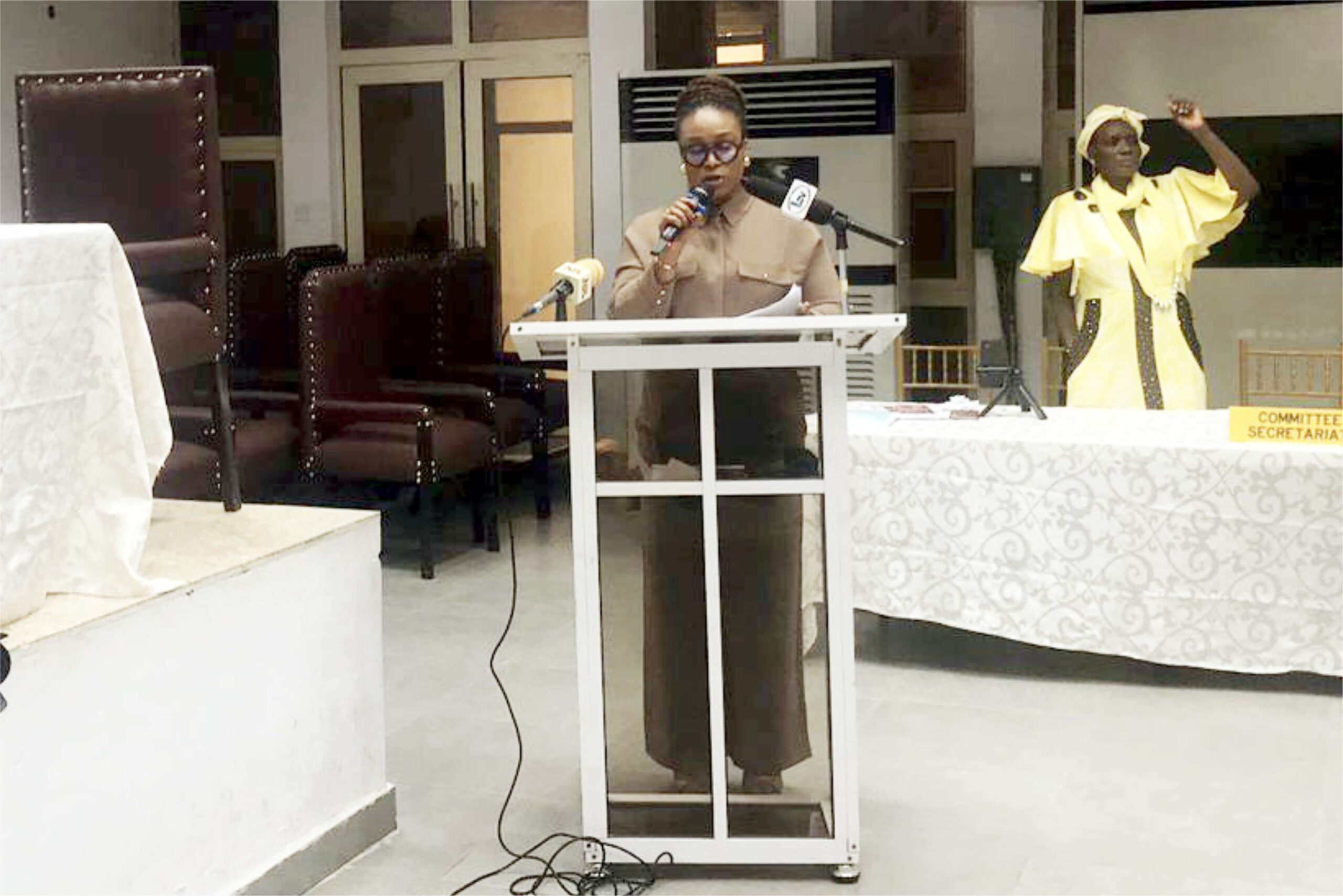
This move is expected to streamline operations, attract potential partnerships, and ultimately fulfill the “connected purposes” of reducing the city’s notorious traffic congestion, boosting economic productivity, and providing millions of Lagosians with a safe, reliable, and dignified mode of public transport.
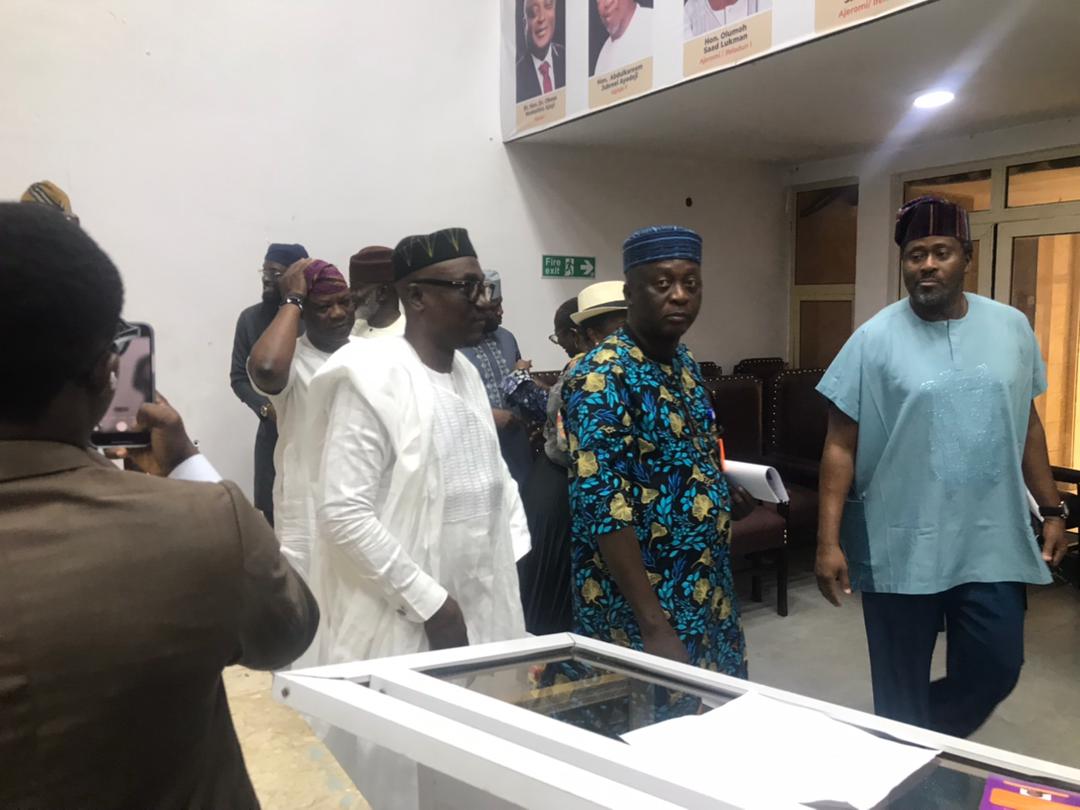 Today’s public hearing marks not just a legislative process, but a firm commitment to setting Lagos on a faster, smarter, and more sustainable track for the future.