

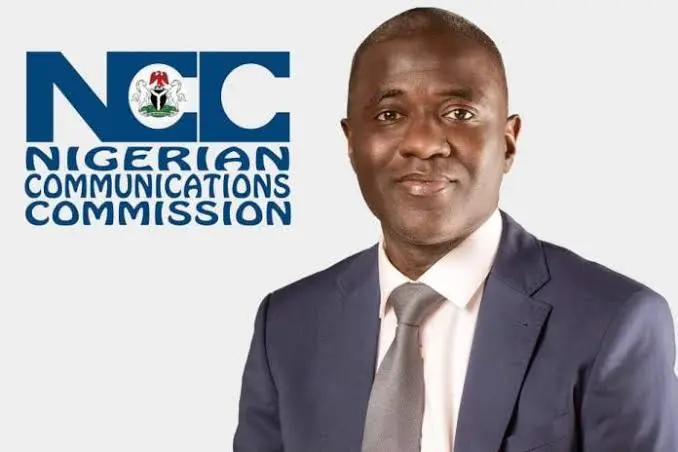
 In line with its regulatory oversight, the Nigerian Communications Commission (NCC) has directed Mobile Network Operators (MNOs) to provide compensation to subscribers for substandard network services. This directive is a commendable initiative. Essentially, subscribers will receive airtime credits as compensation if the network quality fails to meet the required standards.
The calculation of compensation will be based on average spending patterns and presence in Local Government Areas where service failures occur, representing a move from traditional fines to direct restitution for consumers, with a focus on consumer protection and accountability.The NCC also mandated Tower Companies to reinvest fines into infrastructure upgrades to improve service quality. Specific network issues that qualify for compensation or how to claim your airtime credits.
Network issues that qualify for compensation include:
Poor Quality of Service: Network quality falling below specified targets within specific locations
Service Disruptions: Breaches of Quality of Service (QoS) Key Performance Indicators (KPIs) within defined time periods and locations.
Dropped Calls: Frequent call drops or inability to make/receive calls
Slow Data Speeds: Data speeds significantly lower than advertised or expected
Unstable Connectivity: Frequent network outages or instability.
Compensation will be provided in the form of airtime credits, calculated based on your average spending patterns and presence within Local Government Areas where service failures occur.
How customers can claim their airtime credit
To claim airtime credits for poor network service, customers don’t need to take any specific steps, as the compensation will be issued automatically in the form of airtime credits. The value of these credits will be determined by a formula that considers the customer’s historical spending and data consumption patterns, geographic location, and the duration of the service failure.
The Nigerian Communications Commission (NCC) has directed Mobile Network Operators (MNOs) to compensate subscribers for breaches of Quality of Service (QoS) metrics, such as dropped call rates, call setup success rates, and data throughput speeds.
The compensation will be calculated based on subscribers’ average spending patterns and their presence in Local Government Areas where service failures occur.
The NCC’s move is indeed a bold step towards protecting consumers’ rights and ensuring telecom operators prioritize service quality.
With Nigeria’s telecom sector being a critical part of the economy, this directive is likely to push operators to invest more in infrastructure and improve their services.
The automatic compensation mechanism is a game-changer, as it puts the power in the hands of subscribers. It’s not just about imposing fines; it’s about making sure customers are directly benefited when services don’t meet expected standards.
The NCC’s directive is definitely a step in the right direction, focusing on consumer welfare. Helping apprehensive customers understand their rights and the compensation process will be key. NCC can best support customers in navigating this new compensation scheme.
Data/credit for customers
Data credit is a great idea! The NCC could mandate that operators provide data credits as compensation for poor service, giving customers more flexibility. This way, subscribers can choose to use the credits for data, voice, or SMS, depending on their needs.
Combination of both is better than singleA combination of airtime and data credits would definitely give customers more flexibility and value. This way, subscribers can choose what works best for them, whether it’s extra data for browsing or airtime for calls and SMS. NCC might consider allowing operators to offer combo packages or letting customers choose their preferred compensation type.