

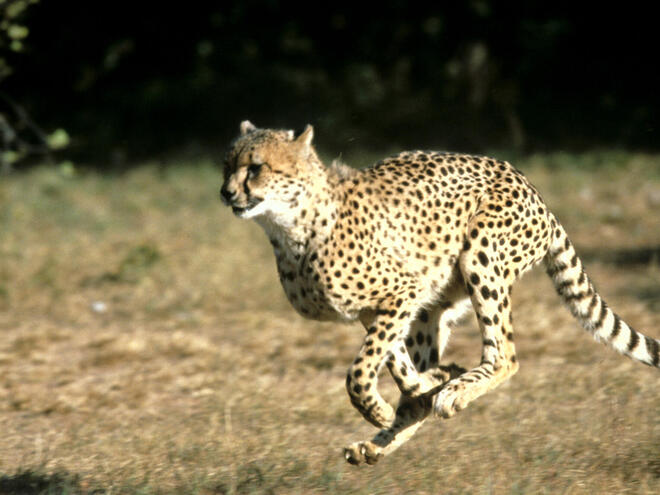
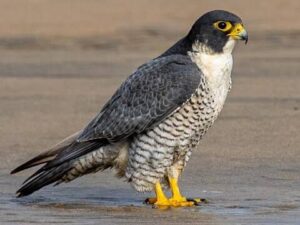
When people think of the fastest animals on Earth, the cheetah often comes to mind. These iconic big cats, renowned for their speed and grace, serve as a testament to nature’s wonders. Their incredible abilities captivate wildlife enthusiasts, drawing attention to their plight as a threatened species. With their numbers dwindling, conservation efforts are crucial to preventing cheetahs from slipping onto the list of endangered species at risk of extinction.
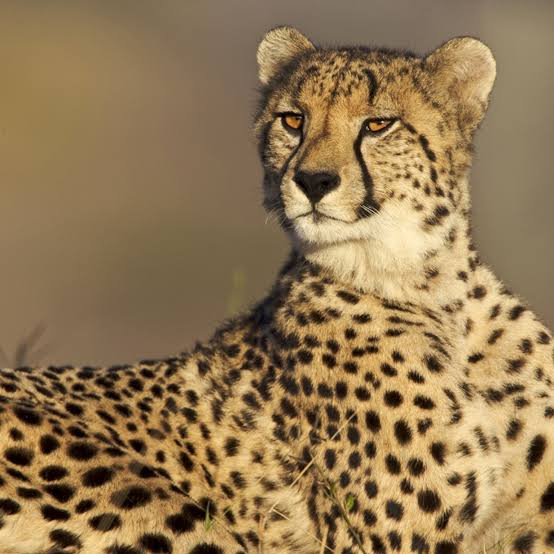
However, while cheetahs are astonishingly fast, they are not the fastest animal on Earth. That title belongs to a creature that soars rather than sprints—the peregrine falcon, a bird capable of speeds that make the cheetah’s remarkable runs seem modest by comparison.
The Peregrine Falcon: Earth’s True Speed Champion
Cheetahs are undoubtedly the fastest land animals, reaching speeds of nearly 70 miles per hour in short bursts. This incredible velocity allows them to outpace all other terrestrial creatures, a key factor in their success as hunters. Their unique physiology, including long legs and a lightweight frame, enables them to achieve these extraordinary speeds over short distances.
But when we broaden the scope to include animals in the sky and sea, the cheetah’s dominance fades. Several birds and marine creatures surpass the cheetah’s capabilities, but none do so more spectacularly than the peregrine falcon.
Known for its breathtaking speed during hunting dives, or stoops, the peregrine falcon can reach an astounding 200 miles per hour in level flight and an even more staggering 350 miles per hour when diving. In comparison, the cheetah’s impressive 70-mile-per-hour sprint appears far less formidable.
Why the Cheetah Is Often Misunderstood as the Fastest Animal
The cheetah’s reputation as the fastest animal persists partly because terrestrial animals are easier to study and observe than those that swim in the oceans or fly through the skies. For years, this accessibility kept the focus on land-based creatures, cementing the cheetah’s status as the ultimate speedster in the public consciousness.
Once scientists began measuring the speeds of avian and marine species, it became clear that the cheetah’s claim to the title of “world’s fastest animal” was limited to land. Today, the cheetah is rightfully recognized as the fastest land animal, while the peregrine falcon reigns supreme overall.
The Science Behind Speed: Why Cheetahs Excel
A recent study conducted in March 2024 sheds light on why cheetahs are able to outrun all other land animals. The research revealed that larger animals tend to run faster than smaller ones because their longer legs provide a mechanical advantage. However, there is a limit to this trend—animals that grow too large lose speed due to the energy demands of moving their massive bodies.
Cheetahs are perfectly adapted to occupy this “sweet spot” for speed. Their bodies feature long legs, a low body mass, and a unique muscular structure that maximizes both speed and agility. According to Professor Christofer Clemente of the University of the Sunshine Coast and the University of Queensland, cheetahs represent the optimal balance between “kinetic energy limits” and “work capacity limits.”
Celebrating Nature’s Speedsters
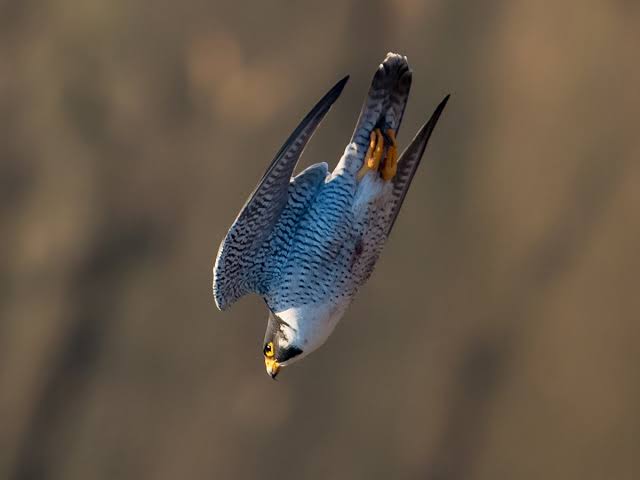 While the peregrine falcon holds the title of Earth’s fastest animal, the cheetah’s incredible abilities remain unparalleled among land-dwelling creatures. Both animals showcase the remarkable diversity and specialization found in the natural world.
As we continue to study and marvel at these speed champions, it’s essential to remember the broader message they convey: the importance of preserving the habitats and ecosystems that allow such extraordinary creatures to thrive. Whether sprinting across the savanna or diving through the sky, these animals remind us of the wonders that nature has to offer—and our responsibility to protect them.